Spanish Doctors in Sierra Leone: Transforming Lives Through Surgical Care” in partnership with Caritas Freetown
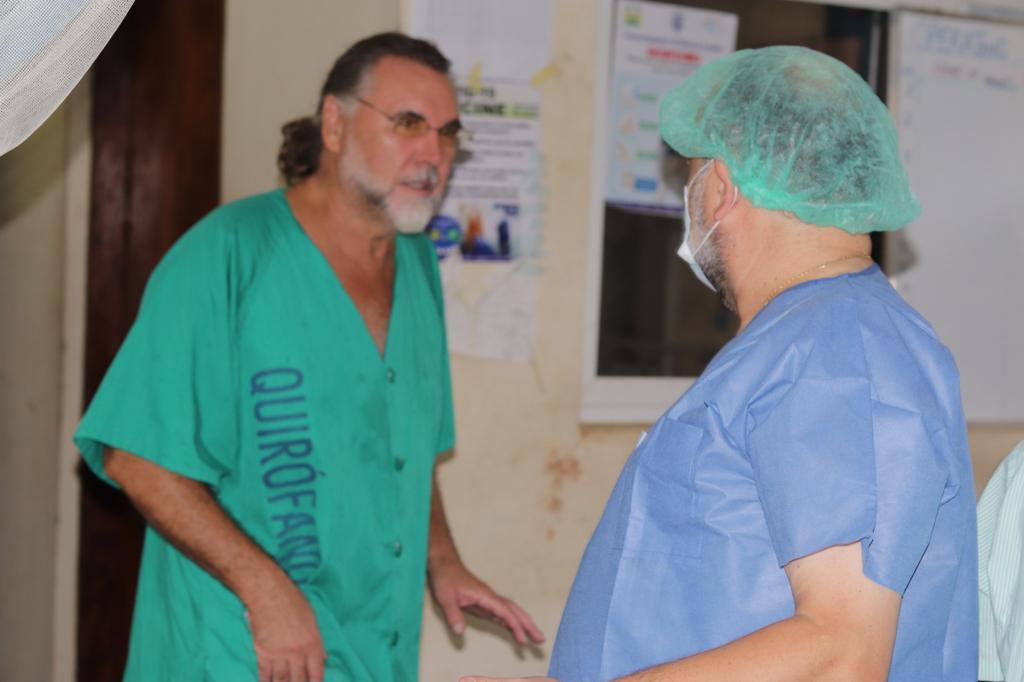
The Spanish doctors from Malaga have been working tirelessly to provide much-needed surgical services in Sierra Leone. Since their arrival in partnership with ACISS and Caritas Freetown, they have already performed over 55 surgeries at Christ The King Hospital in Waterloo. The impact of their work can be seen through the happiness and gratitude of the patients who have benefited from these surgeries. These individuals are eager to share their testimonies and express their deep appreciation for the Spanish doctors’ expertise and care from Christ the King Hospital. The collaboration between the Spanish doctors and local organizations like ACISS and Caritas Freetown has been vital in improving the healthcare system in Sierra Leone. Through their dedication and skill, they have been able to help countless Sierra Leoneans who are in need of surgical services. We salute the Spanish doctors from Malaga for their unwavering commitment to making a difference in the lives of others. Their selflessness and compassion serve as an inspiration to us all. HealthcareHeroes #MakingADifference #SierraLeoneStrong FromMalagatoFreetown
Caritas Freetown SGBV Project Strengthens Partnership with Sierra Leone Police Family Support Unit (FSU) to Combat SGBV
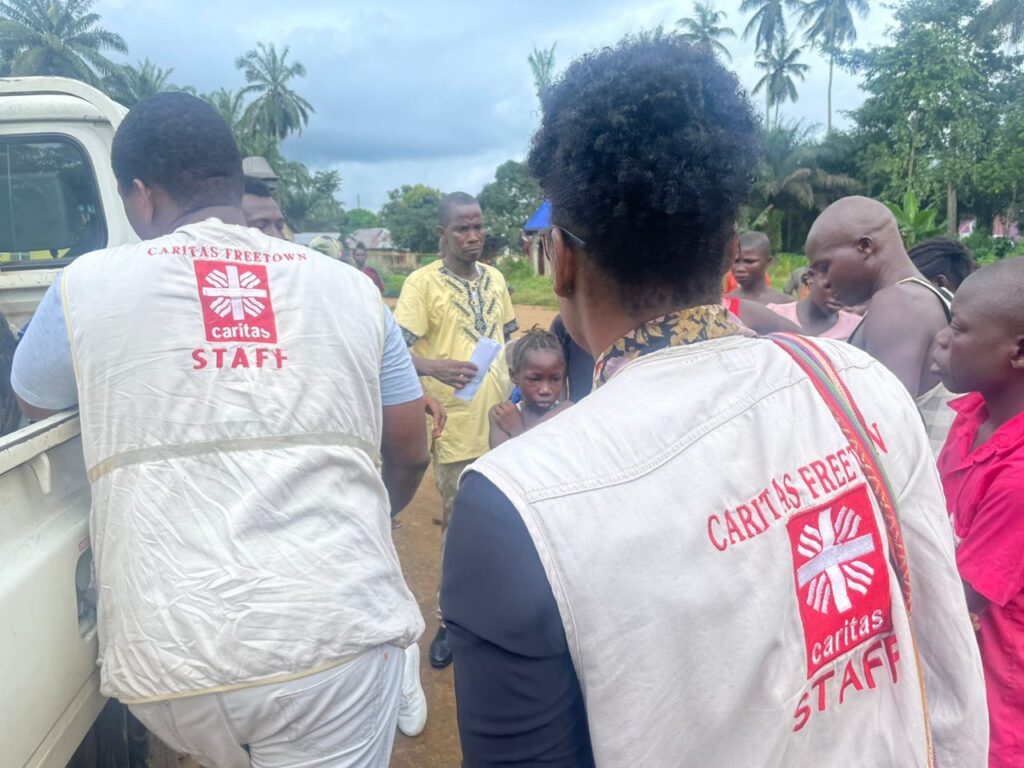
Sexual and Gender-Based Violence (SGBV) remains a distressing issue, particularly affecting women and girls in vulnerable communities. In the relentless pursuit of justice and safety, Caritas Freetown’s SGBV Project has been making significant strides by collaborating closely with SGBV survivors and relevant authorities actively working to address the scourge of SGBV. “In the face of SGBV, silence is not an option. We must stand together to protect the vulnerable women and girls,” emphasizes Kumba Gando, the Team Lead of the SGBV Project. To fortify this crucial partnership and enhance the collective effort against SGBV, today, the Caritas Freetown SGBV Project continues to extend its support to the Sierra Leone Police Family Support Unit (FSU). Essential stationery items including cartons of A4 paper and box of pens were provided to 10 police stations’ FSU units in Western Area Rural. Notably, this distribution is done underlining the project’s commitment to empowering the Family Support Units responsible for combating SGBV. Assistant Superintendent of Police (ASP) Allieu Jalloh, the Officer Commanding (OC) Newton Police Post, expressed gratitude for the continuous support from the SGBV Project. He acknowledged the impact of the quarterly training sessions conducted by Caritas Freetown, which have significantly enhanced the capacity of the FSU personnel to properly handle SGBV cases. “The SGBV Project has been conducting training us, which has greatly contributed to the development of our human resource capacity in handling SGBV cases,” stated ASP Allieu Jalloh. Furthermore, Sheriff L. Bah, an Outreach Officer of the Caritas Freetown SGBV Project Team, highlighted the importance of data collection from the various FSU units to monitor the trends in which SGBV cases are happening to assess the effectiveness of the project awareness-raising sensitization efforts. It also plays a crucial role in ensuring that victims receive the justice they rightfully deserve. Through these collaborative efforts, Caritas Freetown and the Sierra Leone Police FSU Division are working tirelessly to raise awareness about the dangers of SGBV and its profound consequences. The goal is to reach more communities, sensitize more individuals, and ultimately create a safer environment for all.
Caritas Freetown’s SGBV Project Educates Men and Boys on Gender-Based Violence
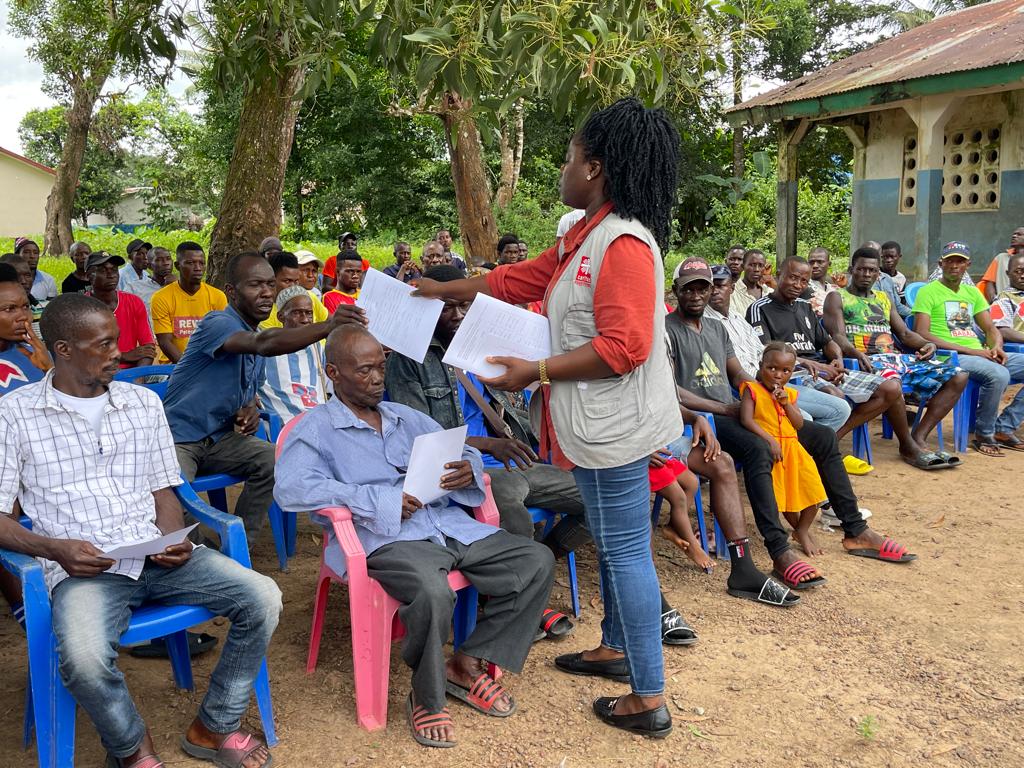
“Empowerment begins with the eradication of sexual and gender-based violence against women” Sexual and Gender-Based Violence (SGBV) continues to be a pressing issue, but a ray of hope shines through Caritas Freetown’s SGBV Project, with support from Manos Unidas. In a concerted effort to mitigate SGBV, the project team continued its quarterly community engagements aimed at educating men and boys on Gender-Based Violence, referral pathways, the crucial role of men and boys in reducing GBV, and essential sensitization skills. This transformative initiative was held on Thursday, the 28th of September 2023, at the Makorbeh Community in the Western Area Rural District. A total of 180 participants from the 20 targeted communities attended the engagement. Kumba E. Gando, the Team Lead of the Caritas Freetown SGBV Project, delivered an insightful overview of the project, highlighting the deliberate focus on men and boys due to their significant role as perpetrators of violence against women and girls. She emphasized the engagement’s importance in addressing all forms of violence against women and girls, underscoring collaborative efforts with institutions such as the Sierra Leone Police, Rainbo Initiative, and Don Bosco to ensure project success. Mr. Andrew Kponeh, the lead facilitator provided participants with a comprehensive understanding of SGBV, elucidating the relevant laws, including the Gender Laws, Child Rights, and Sexual Offense Act. He underscored the consequences of violating these laws, emphasizing that “Ignorance of the law is no excuse.” Mr. Kponeh also made clear distinctions between rape and sexual penetration, offering practical examples and outlining the associated fines and jail terms for these crimes.He passionately urged the men and boys to abstain from all forms of violence against women, reminding them of the legal safeguards in place to protect women’s rights. Sheriff L. Bah, an outreach officer of the SGBV Project, engaged participants in discussions about the differences between gender (society-assigned roles for males and females) and sex (biological distinctions) and cited contemporary examples to aid their comprehension.He elucidated the roles that men and boys should play in mitigating SGBV and encouraged them to follow proper referral pathways when dealing with SGBV cases. Alex M. Sesay, a teacher residing in the Makorbeh Community expressed his gratitude for participating in the engagement. He stated, “I have learned a lot about sexual penetration, rape, and gender-based violence.” Sesay emphasized that this engagement served as an eye-opener, revealing the many misconceptions surrounding the treatment of women and girls. As a teacher, he embraced the responsibility of passing on this newfound knowledge to his students and their parents. In the ongoing battle against Sexual and Gender-Based Violence, initiatives like Caritas Freetown’s SGBV Project are lighting the way forward. By educating men and boys and fostering a community that respects and values the rights of women and girls, steps are being taken to create a safer and more equitable society for all.
Caritas Germany and Caritas Freetown Transform Lives in Sierra Leone with Humanitarian Initiatives
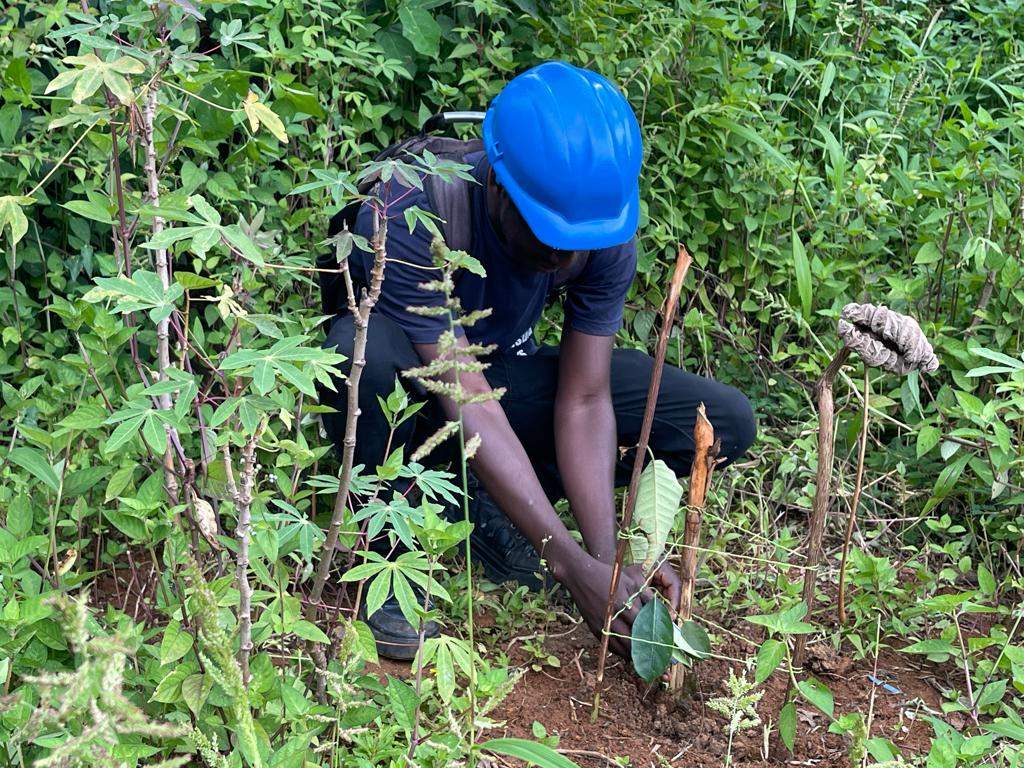
“Caritas has done a great work for us. In the past, we use to ease ourselves in plastics and throw it away, but now we have toilets.” – Hawa Sesay, Financial Secretary of Culvert Community Disaster Management Committee (CDMC) In a remarkable display of humanitarian commitment, the Caritas Freetown Disaster Risk Reduction management Project, generously funded by Caritas Germany, is bringing positive change to the lives of residents in slum, deprived, and hilltop communities in Freetown, Sierra Leone. The project’s focus lies in mitigating disasters like flooding by addressing root causes and improving sanitation in these vulnerable communities. Representatives from Caritas Germany, alongside Caritas Freetown staff, conducted a monitoring visit on Tuesday, September 26, 2023, to Culvert and Moyiba communities. These areas have witnessed significant improvements thanks to the dedicated efforts of the Disaster Risk Reduction management Project team. The purpose of the visit was to assess the impact of these activities on the communities and ensure the sustainable maintenance of boreholes and toilets. Supported by Caritas Germany, the Disaster Risk Reduction management Project Team has successfully constructed two boreholes and nine toilets, including three for community schools and six for the community at large in Culvert Community. Before these interventions, Culvert, a slum community prone to flooding, faced water scarcity and lacked proper toilet facilities. Children had to return home to drink water during school hours. The improper disposal of human waste, including the use of hanging toilets, contributed to unsanitary conditions and the spread of diseases. Hawa Sesay, the Financial Secretary of the Culvert Community Disaster Management Committee (CDMC), expressed her gratitude, saying, “Caritas has done a great work for us. In the past, we used to ease ourselves in plastics and throw them away, but now we have toilets.” She also praised Caritas Freetown for distributing sanitizers in community schools, contributing significantly to community wellness. In a bid to manage plastic waste, the Disaster Risk Reduction management Project team initiated plastic recycling, turning it into floor tiles. This does not only clean up the community but also serve as a livelihood for the CDMCs who are the direct beneficiaries for this initiative and protects the environmental sanitation. To address the root causes of flooding in slum communities like Culvert and Susan’s Bay, and combat climate change issues, tree planting initiatives were launched in both Moyiba and Leicester Communities. A survey by the team revealed that activities such as tree cutting for housing, charcoal production, and deforestation by hilltop communities exacerbated climate change and soil erosion. The Disaster Risk Reduction management Project team planted four thousand trees, including Orange, mango, avocado, tamarind, and others in both Moyiba and Leicester communities. These trees are expected to mitigate the effects of flooding and other environmental hazards faced by Culvert and Susan’s Bay communities. Residents were elated with the tree planting efforts and acknowledged the importance of trees, especially during the dry season. One Moyiba resident stated, “The trees are beneficial to us, and we will look after them because when they bear fruit, we’ll be able to sell it and cater for our children’s education.” This comprehensive and selfless initiative by Caritas Germany and Caritas Freetown exemplifies the profound impact humanitarian efforts can have on vulnerable communities, transforming lives and safeguarding the environment. The project continues to be a beacon of hope for those it serves, inspiring a brighter and more sustainable future.
Caritas Nutrition Project Combating Malnutrition in Young Children
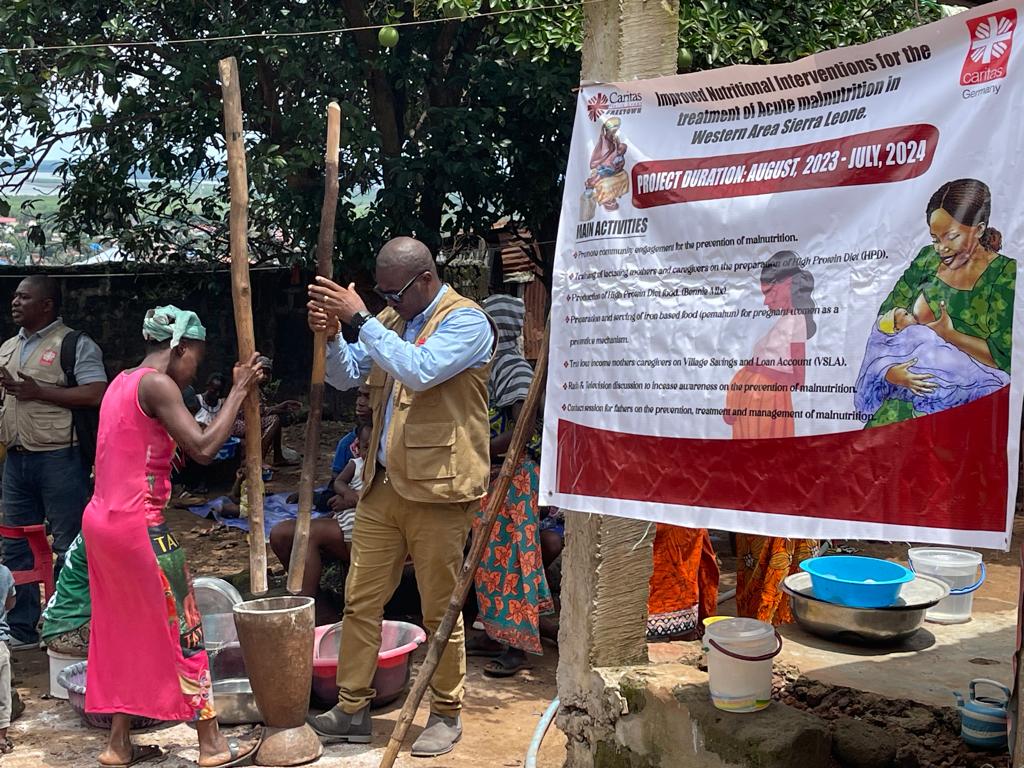
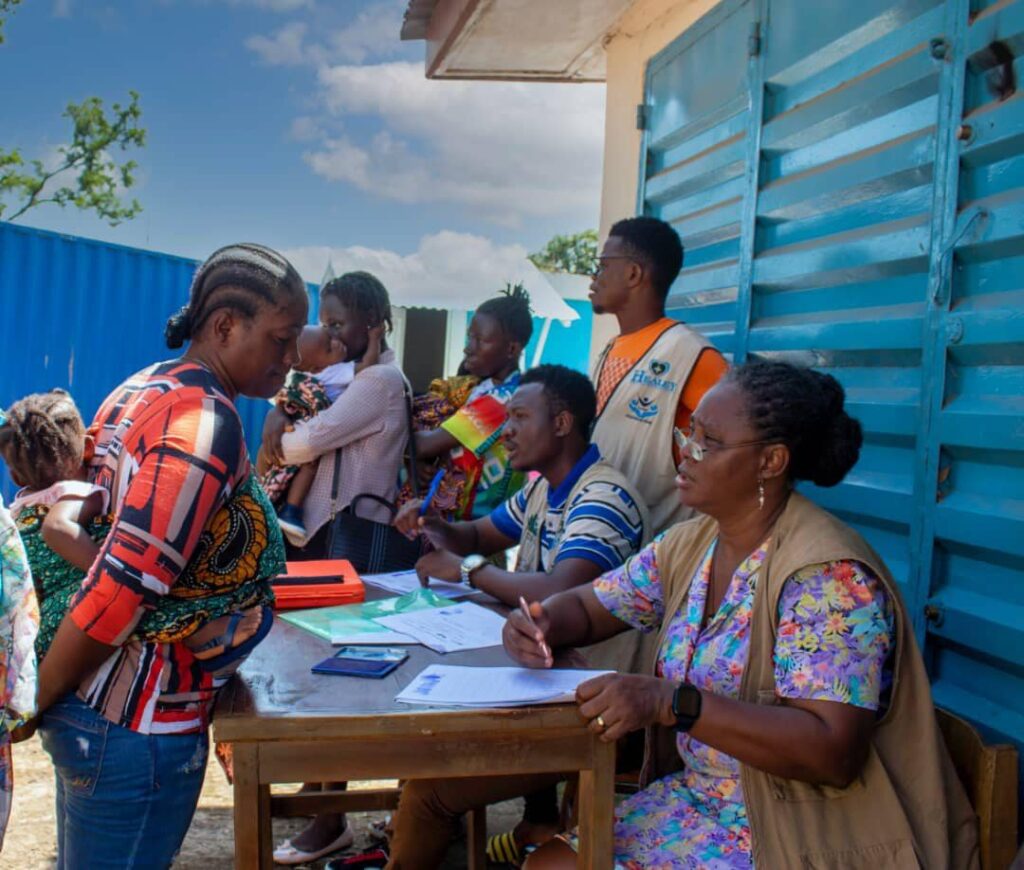
In a remarkable humanitarian effort, the Caritas Freetown Nutrition Project, generously sponsored by Caritas Germany, has been making significant strides in the battle against malnutrition. This initiative is targeting fifteen communities in the Western Area Rural and Urban districts, with the primary goal of identifying, registering and treating malnourished children while educating their lactating mothers. Moreover, it empowers mothers with knowledge on preparing the vital High Protein Diet (HPD) Bennie Mix food, essential for the healthy growth of their children. Recently, a delegation comprising representatives from Caritas Germany and dedicated Caritas Freetown staff conducted a monitoring visit to two communities, Allen Town and Tombo, both of which have witnessed substantial improvements due to the nutrition project. In these fragile communities, high infant mortality rates were once a harsh reality, exacerbated by a lack of proper nutrition education for newborns. Michael K. Bangura, a Community Chief Caritas Allen Town community, shared his perspective on life before the project’s initiation, stating, “We used to have a lot of infant mortality, and most of the children who died were malnourished. It was at that point we realized the need for therapeutic intervention, and it was during that time this project came.” He continued by emphasizing the transformative impact the project has had, not only reducing infant mortality but also visibly improving the health of babies. Michael highlighted the project’s role in empowering women with essential nutritional knowledge, which they, in turn, pass on to others in their communities. Fatmata Kargbo, the Community Chairlady of the production process in Tombo Community, expressed her profound gratitude to both Caritas Freetown and Caritas Germany for their unwavering support. She shared, “I’m grateful to be part of this initiative because all three of my children have benefited from it.” Fatmata stressed the happiness among the mothers of beneficiaries, as the project contributes to the robust and healthy growth of their infants. Mariatu, echoing this sentiment, added, “We hope this project continues because things are expensive, and we get all the ingredients free of charge.” Remarkably, the Nutrition Project has positively impacted approximately four hundred and ninety-five babies for 2022 to 2023 year under review, saving lives and instilling hope in mothers for the healthy futures of their children, especially in these challenging times. In conclusion, the Caritas Freetown Nutrition Project, supported by Caritas Germany, stands as a shining example of humanitarian collaboration, bringing tangible improvements to vulnerable communities and nurturing a brighter future for the youngest among us. This initiative is a testament to the transformative power of knowledge and collective effort in the fight against malnutrition.
Police and Youth Dialogue Session Caritas engage Police and Youth Dialogue on Electoral Process and Non-Violence
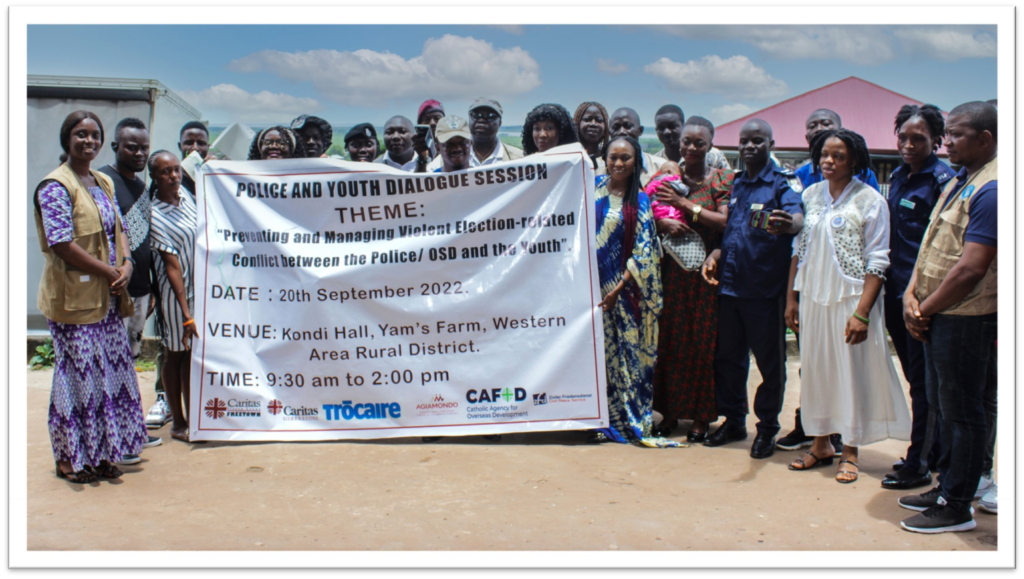
Caritas Freetown, with support from Trocaire, AGIAMONDO, Catholic Agency for Overseas Development and Ziviler Friendensdienst Civil Peace Service celebrates International Day of Peace 2022. As we celebrate the International Day of Peace with theme: “Stop Election Violence, Build Peace”, Caritas Freetown, with support from Trocaire, AGIAMONDO, Catholic Agency for Overseas Development and Ziviler Friendensdienst Civil Peace Service, has on the 20th September, 2022 organized a one- day Police and Youth Dialogue Session, targeting personnel of the Sierra Leone Police, Youth Affairs, Political Parties Representative, Bike Riders and Journalist. The event took place at Kondi Hall, Yam’s Farm in the Western Rural District. The relationship between Police Officers and Youths have been strained throughout the years. But this was how many young people in Sierra Leone felt when the relationship between police and the youth were at their lowest point, especially during the August 10 accident that took place in some part of the country which led to the destruction of properties and loss of innocent lives. As the appeals from young people to intervene grew, the consortium of five NGOs worked to broker a truce between young people and the police by celebrating the International Day of Peace 2022 with a one-day dialogue between the Police and youths in Sierra Leone. Young people were saying they were always suspects. They are often harassed by the police, arrested and being rounded up and put behind bars when reporting crime, instead of being listened to. Stories like these were the catalyst for change. A baseline study in the past years had showed that police harassment of young people, between 18 and 35, was one of the drivers for violent extremism in the country based on their approach. Mohamed Turay, Chairman of the Bike Riders Association East said one of the causes of conflict between the parties is that the Police Officers see the Youths as a threat, emphasizing that as riders, they suffer too much harassment from the Police. He further stated that “Young people were being rounded up from their bikes, which has led to so many accidents or just for being in groups in their community.”
Caritas Freetown has been Awarded the Best Non-Governmental Organization For 2022
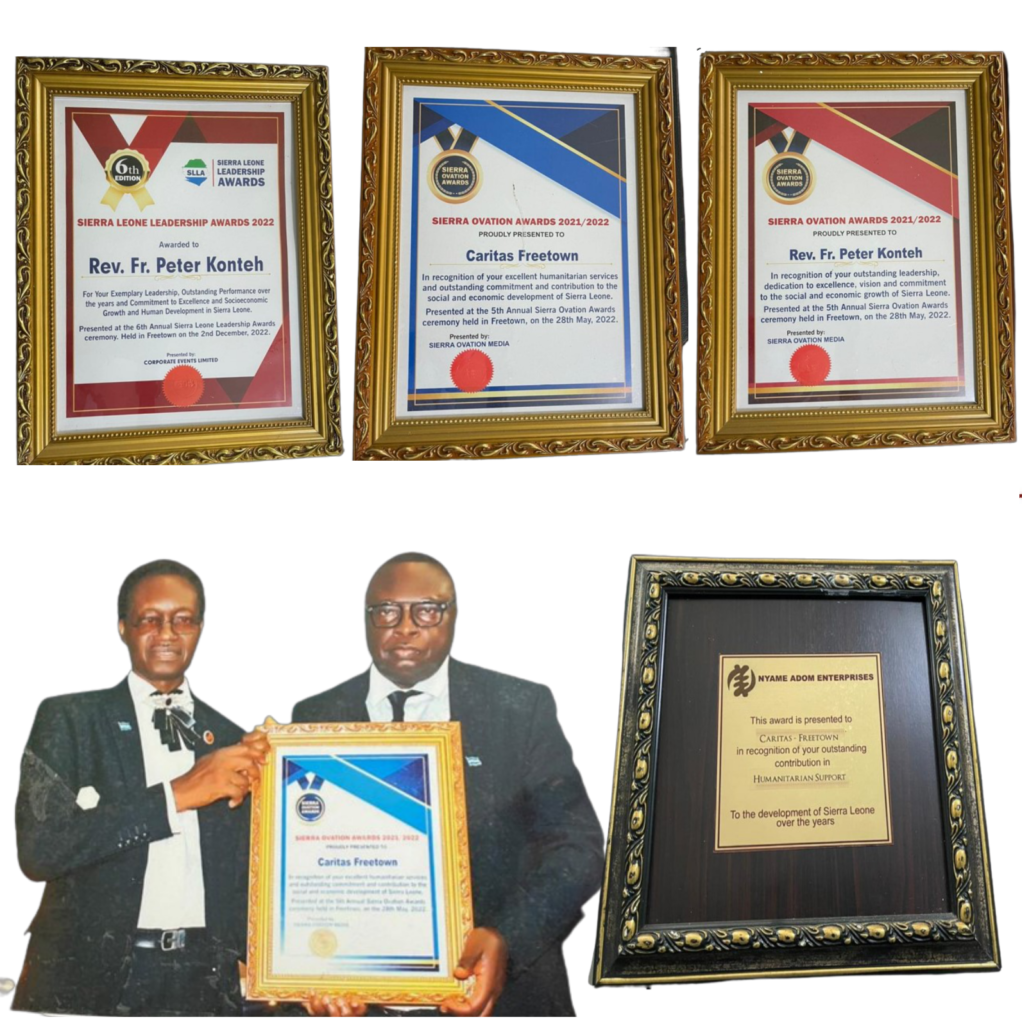
The Sierra Leadership Award is a yearly award given to NGOs, Ministries, Agencies, Business partners, and across Sierra Leone. CARITA FREETOWN, as one of the leading organizations with charity work across the country, has always been nominated for such awards; and the Executive Director as well. For the past three consecutive years, Caritas Freetown has awarded such accolades to humanity work in Freetown and across the country. Last year award was organized at the Radisson Blu hotel, where awardees were present including representatives from Caritas Freetown. At the presentations of awards, Caritas emerged as the leading NGO working towards humanitarian services and outstanding commitment and contribution to the social and economic development of Sierra Leone. Also, in the NGOs category, the best executive award for NGOs, was given to Rev. Fr. Peter Konteh for his Lead-ership and outstanding performance over the years and commitment to excellence and socioeconomic growth, and human development in Sierra Leone.
Carital Freetown Intervention in Electoral Process and Non-Violence
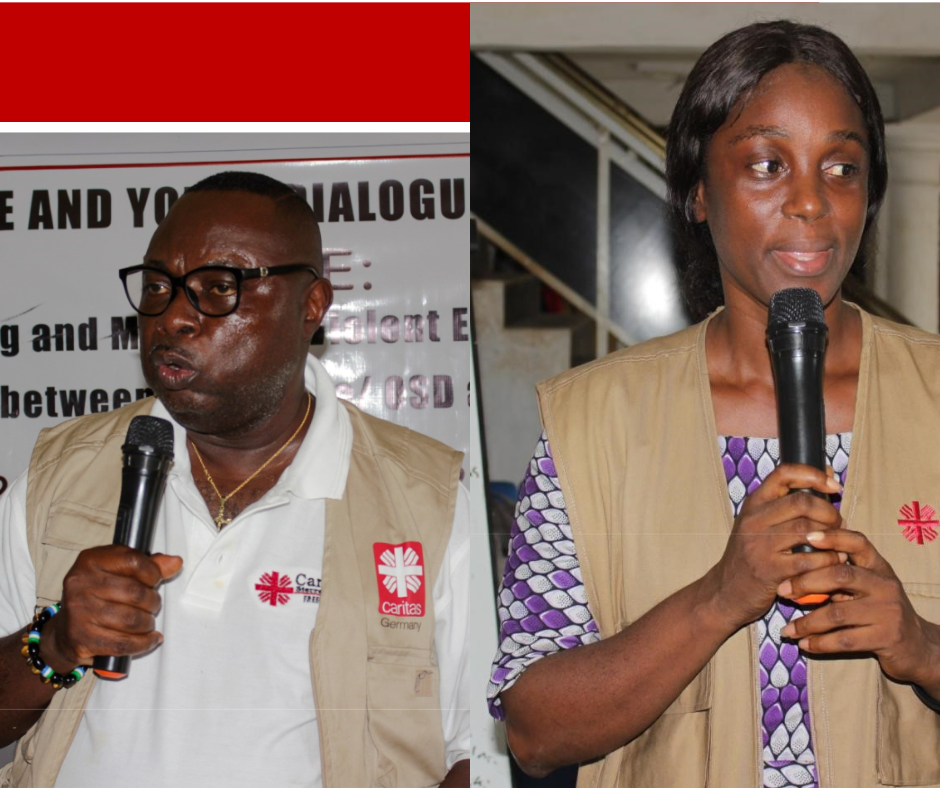
Rev Fr. Peter Konteh Executive Director Caritas Freetown and team talked to key actors, including in the National Government Administration, and took the lead in conven-ing what is known as an open-air dialogue. This gave peo-ple representing all sides the chance to air grievances and start finding solutions. The young people got to speak out about some of the things that were being done in the coun-try that they felt were really fueling the conflict between police and young people. He added that, “We already know the problem which make us to organize a Dialogue Session between the two parties as election is here”. He further noted that the dia-logue is indeed timely as it comes during an important pe-riod, when the country is preparing for General Elections in 2023. He continued by saying bringing the two sides to-gether is geared towards promoting dialogue and greater understanding among the Police, the Electoral Commission and Youth on their roles and responsibilities to prevent and manage violent election related conflicts in order to ensure an enabling peaceful environment is achieved be-fore, during and after the elections. He maintained that during electoral processes and elec-tions, the security forces, especially the Police have a cen-tral role in providing security and ensuring safety during voter’s registration exercises, political rallies and events, transportation of election-sensitive materials and keeping peace on Polling Day. The Youth also have an indispensa-ble role to play in determining Sierra Leone’s progress to-wards a more peaceful, democratic and prosperous coun-try” Aminata Finda Massaquoi station manager Culture Radio who also serves as the Chairperson for the Dialogue ses-sion stated that, the youth are the leaders of tomorrow, they need to refrain from violence and look for what they can do to bring change in their communities. She added that social media is one of the causes of violence, saying most of the violence that has happened in the country is due to wrong information young people get from social media which is not true. Lansana Fofanah, Head of Operations of the Special Division (OSD) of the Waterloo Police Station said, they police have listened to all the concerns and recommendations generated at the open-air dialogue, emphasizing that Police are not their enemies, and should not be seen as targets. He stated that they are carrying weapons as a protection for themselves and not to harm anybody but to serve the people stressing at the end of the day, they are all civilians and the Youths must work together with them to push the country forward.
COVID-19 Vaccination Campaign Implemented in The Western Area Urban and Rural District

The project “COVID-19 Vaccination Campaign implemented in the Western Area Urban and Rural District” objectives seek to improve access to Covid-19 vaccine across the regions in Sierra Leone. Also, to increase Covid-19 vaccine awareness and uptake at all levels and strengthen coordination of the COVID-19 vaccine program at national and district levels. Awareness raising and radio programs were also organized on the benefits and safety of the COVID-19 vaccines. Some of the key achievements of the project are as follows:
Police And Youth Dialogue Session
Caritas Freetown, with support from Trocaire, AGIAMONDO, Catholic Agency for Overseas Development and Ziviler Friendensdienst Civil Peace Service celebrates International Day of Peace 2022. As we celebrate the International Day of Peace with theme: “Stop Election Violence, Build Peace”, Caritas Freetown, with support from Trocaire, AGIAMONDO, Catholic Agency for Overseas Development and Ziviler Friendensdienst Civil Peace Service, has on the 20th September, 2022 organized a one- day Police and Youth Dialogue Session, targeting personnel of the Sierra Leone Police, Youth Affairs, Political Parties Representative, Bike Riders and Journalist. The event took place at Kondi Hall, Yam’s Farm in the Western Rural District. The relationship between Police Officers and Youths have been strained throughout the years. But this was how many young people in Sierra Leone felt when the relationship between police and the youth were at their lowest point, especially during the August 10 accident that took place in some part of the country which led to destruction of properties and loss of innocent lives. As the appeals from young people to intervene grew, the consortium of five NGOs worked to broker a truce between young people and the police by celebrating the International Day of Peace 2022 with a one-day dialogue between the Police and youths in Sierra Leone. Young people were saying they were always suspects. They are often harassed by the police, arrested and being rounded up and put behind bars when reporting crime, instead of being listened to. Stories like these were the catalyst for change. A baseline study in the past years had showed that police harassment of young people, between 18 and 35, was one of the drivers for violent extremism in the country based on their approach. Mohamed Turay, Chairman of the Bike Riders Association East said one of the causes of conflict between the parties is that the Police Officers see the Youths as a threat, emphasizing that as riders, they suffer too much harassment from the Police. He further stated that “Young people were being rounded up from their bikes, which has led to so many accidents or just for being in groups in their community.” Rev Fr. Peter Konteh Executive Director Caritas Freetown and team talked to key actors, including in the National Government Administration, and took the lead in convening what is known as an open-air dialogue. This gave people representing all sides the chance to air grievances and start finding solutions. The young people got to speak out about some of the things that were being done in the country that they felt were really fueling the conflict between police and young people. He added that, “We already know the problem which make us to organize a Dialogue Session between the two parties as election is here”. He further noted that the dialogue is indeed timely as it comes during an important period, when the country is preparing for General Elections in 2023. He continued by saying bringing the two sides together is geared towards promoting dialogue and greater understanding among the Police, the Electoral Commission and Youth on their roles and responsibilities to prevent and manage violent election related conflicts in order to ensure an enabling peaceful environment is achieved before, during and after the elections. He maintained that during electoral processes and elections, the security forces, especially the Police have a central role in providing security and ensuring safety during voter’s registration exercises, political rallies and events, transportation of election-sensitive materials and keeping peace on Polling Day. The Youth also have an indispensable role to play in determining Sierra Leone’s progress towards a more peaceful, democratic and prosperous country” Aminata Finda Massaquoi station manager Culture Radio who also serves as the Chairperson for the Dialogue session stated that, the youth are the leaders of tomorrow, they need to refrain from violence and look for what they can do to bring change in their communities. She added that social media is one of the causes of violence, saying most of the violence that has happened in the country is due to wrong information young people get from social media which is not true. Lansana Fofanah, Head of Operations of the Special Division (OSD) of the Waterloo Police Station said, they police have listened to all the concerns and recommendations generated at the open-air dialogue, emphasizing that Police are not their enemies, and should not be seen as targets. He stated that they are carrying weapons as a protection for themselves and not to harm anybody but to serve the people stressing at the end of the day, they are all civilians and the Youths must work together with them to push the country forward.