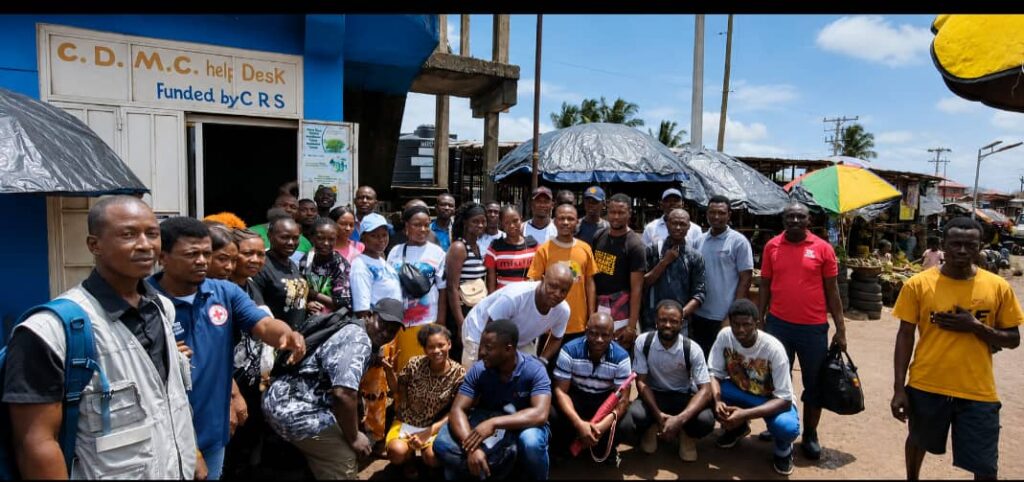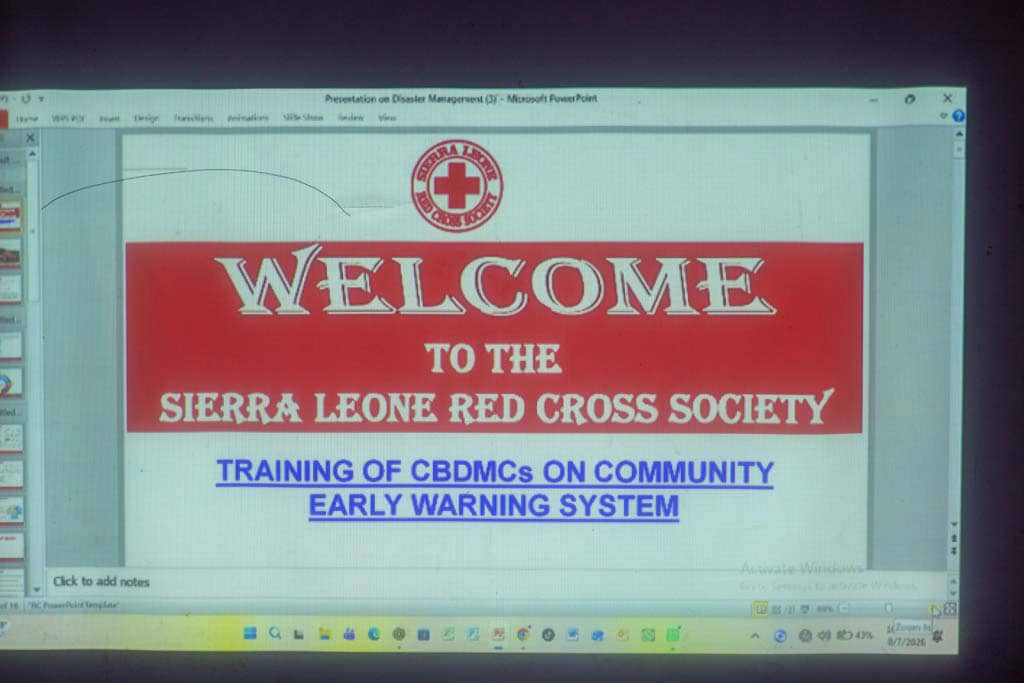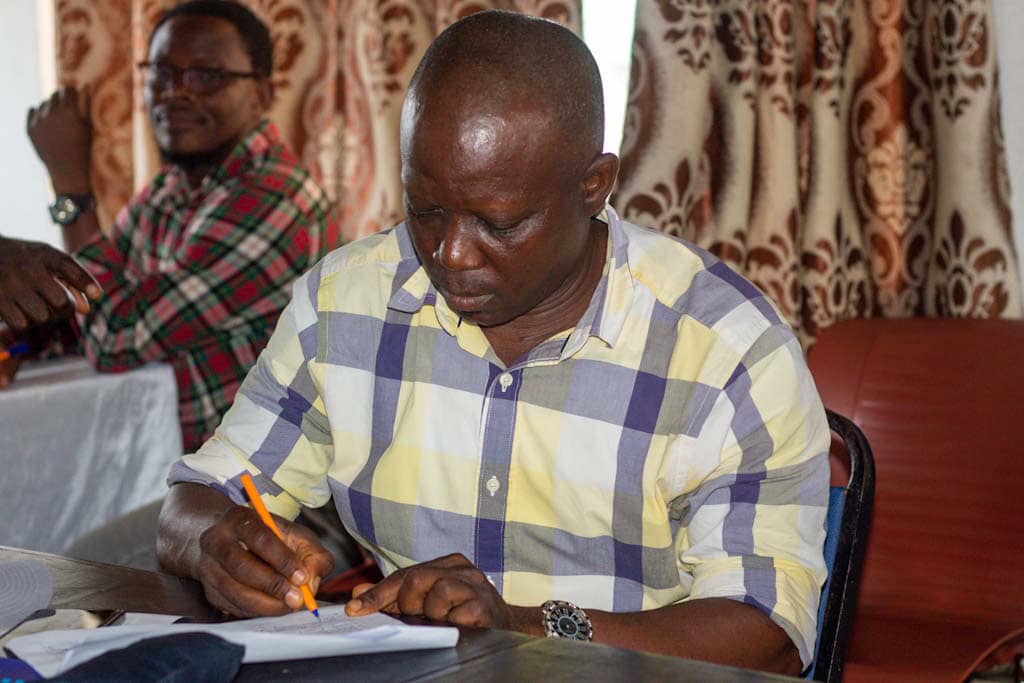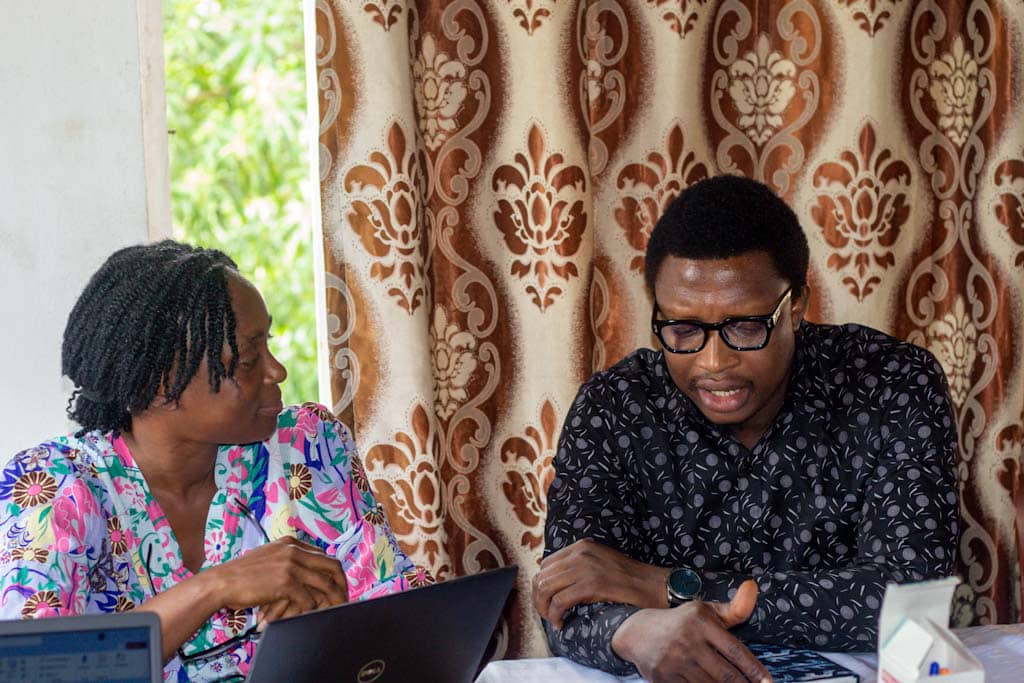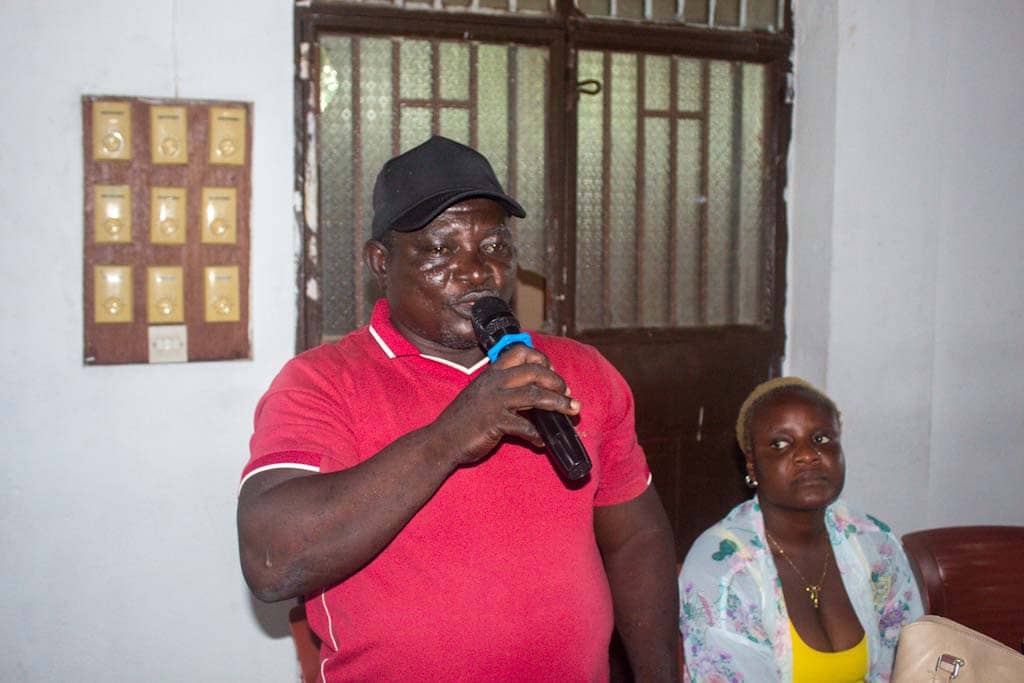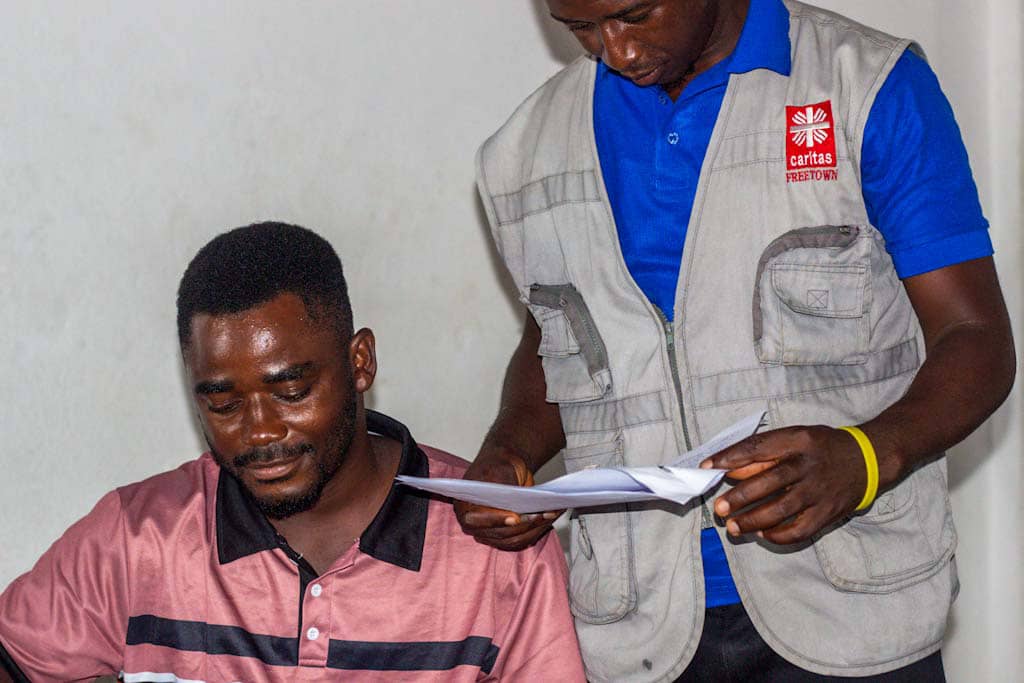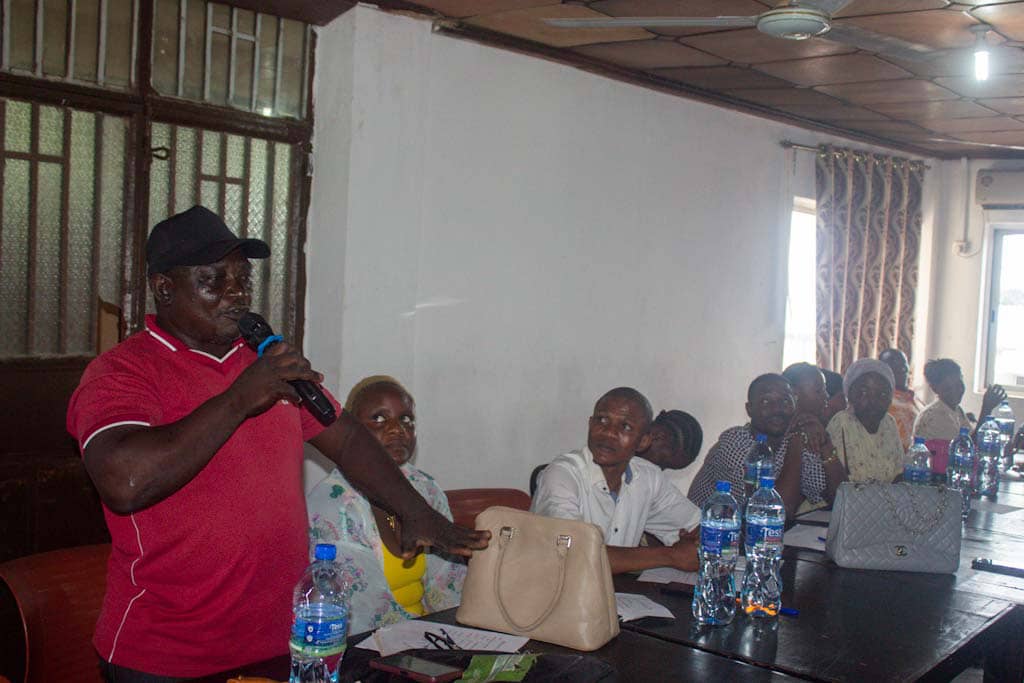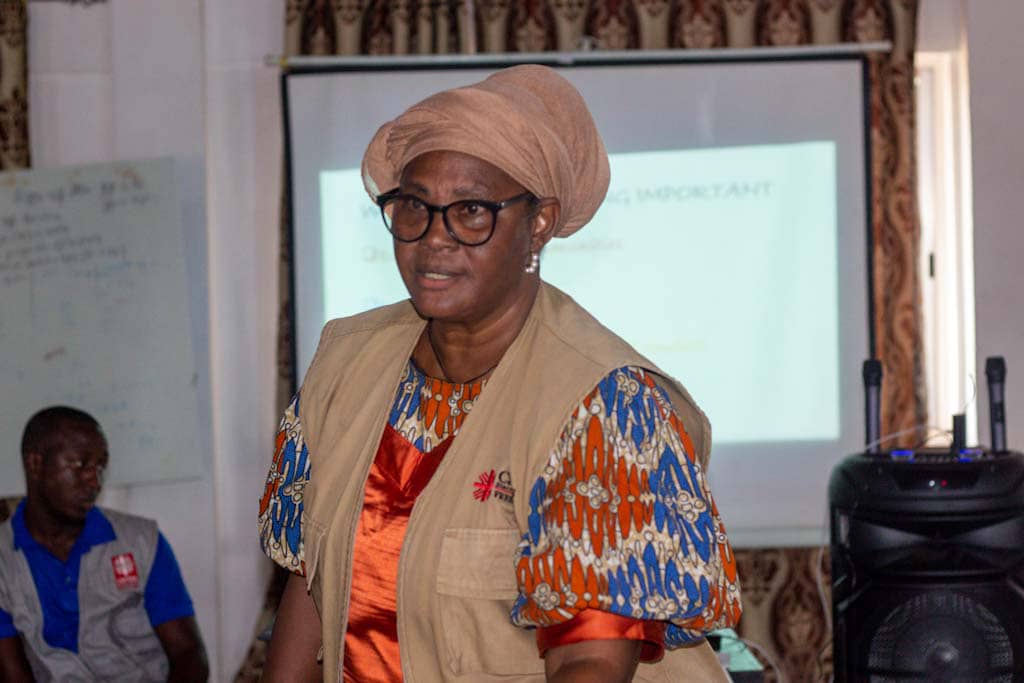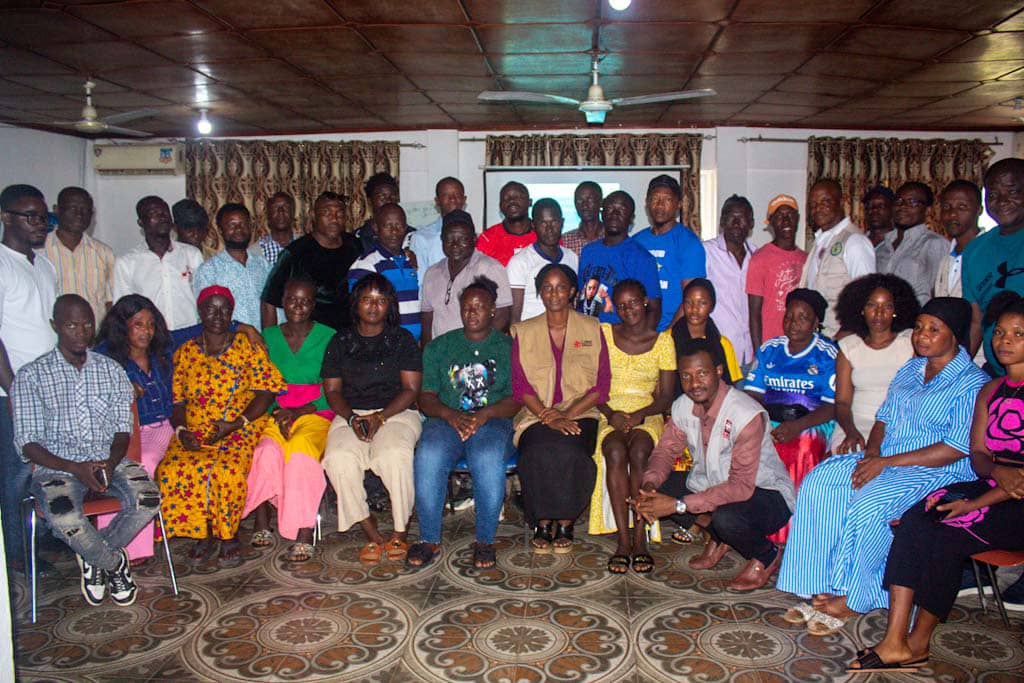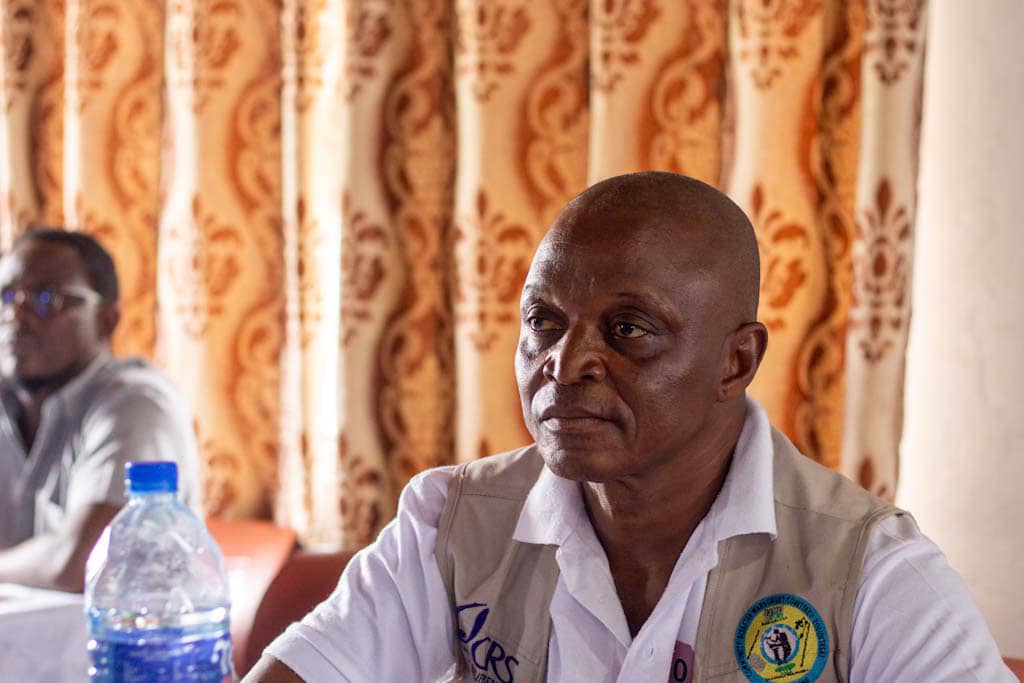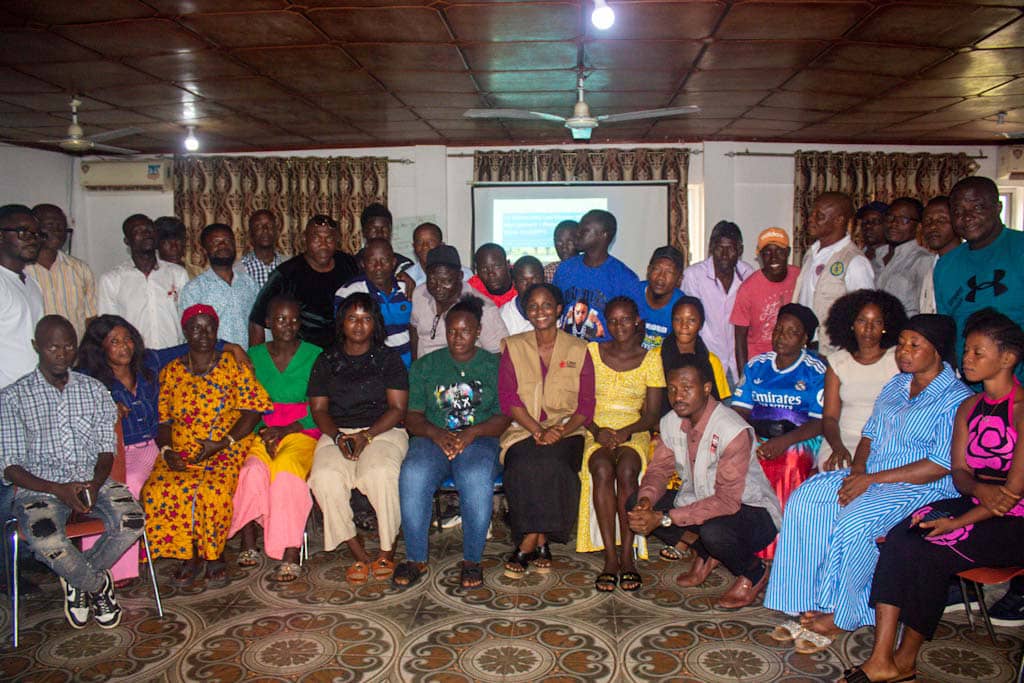
Caritas Freetown has successfully concluded a four-day Fire and Water Safety Training, supported by the CRS EMPOWER project, aimed at strengthening disaster preparedness and enhancing emergency response capacities among community disaster responders in some of Freetown’s most vulnerable communities.
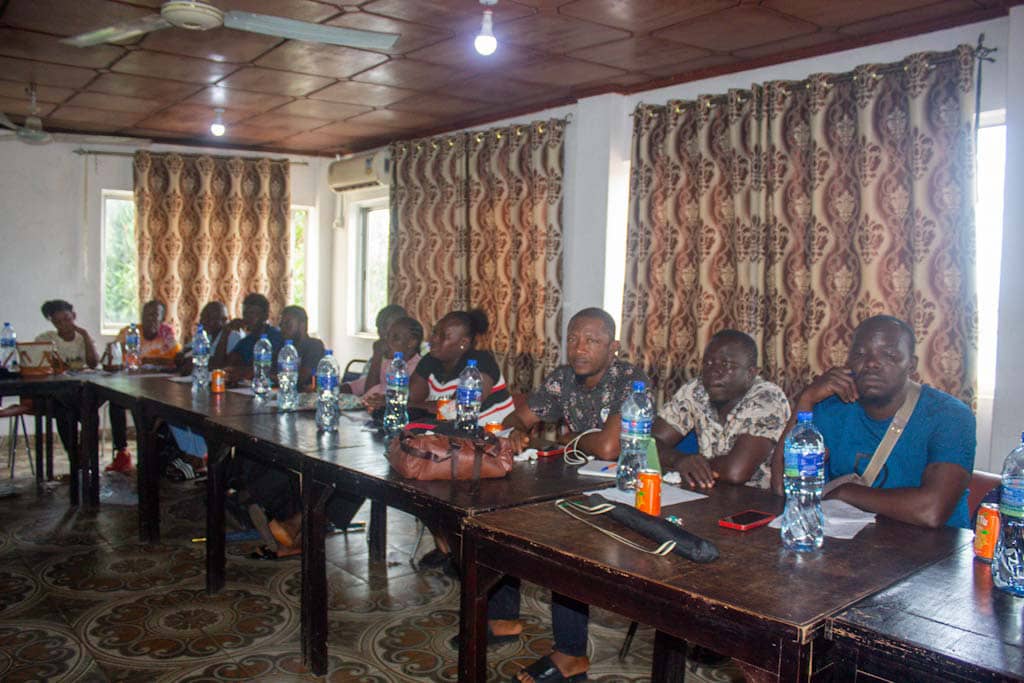
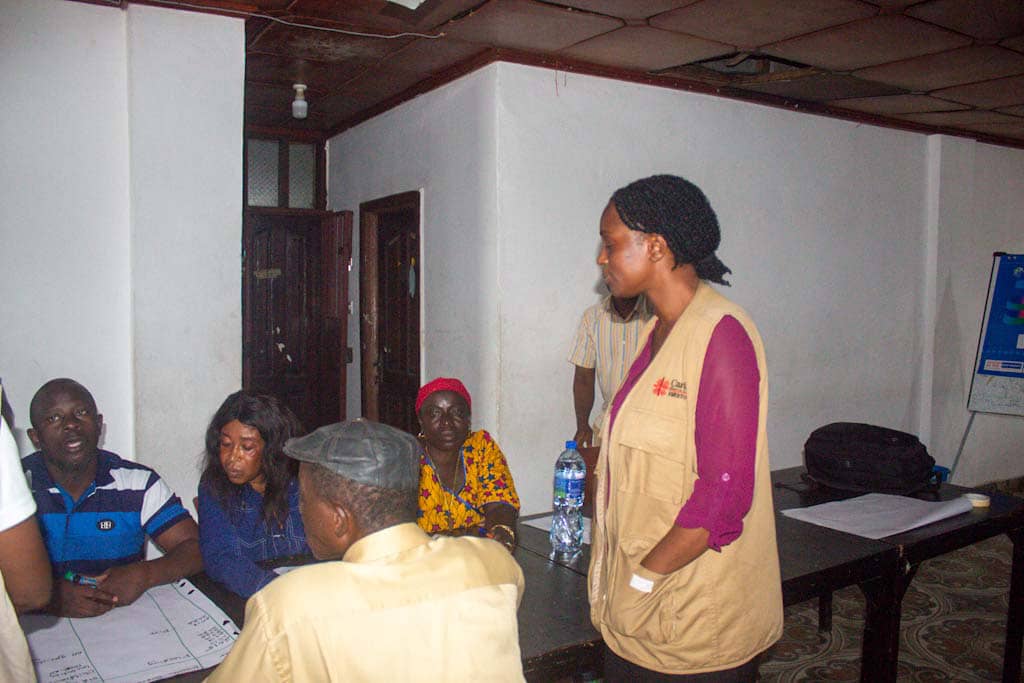
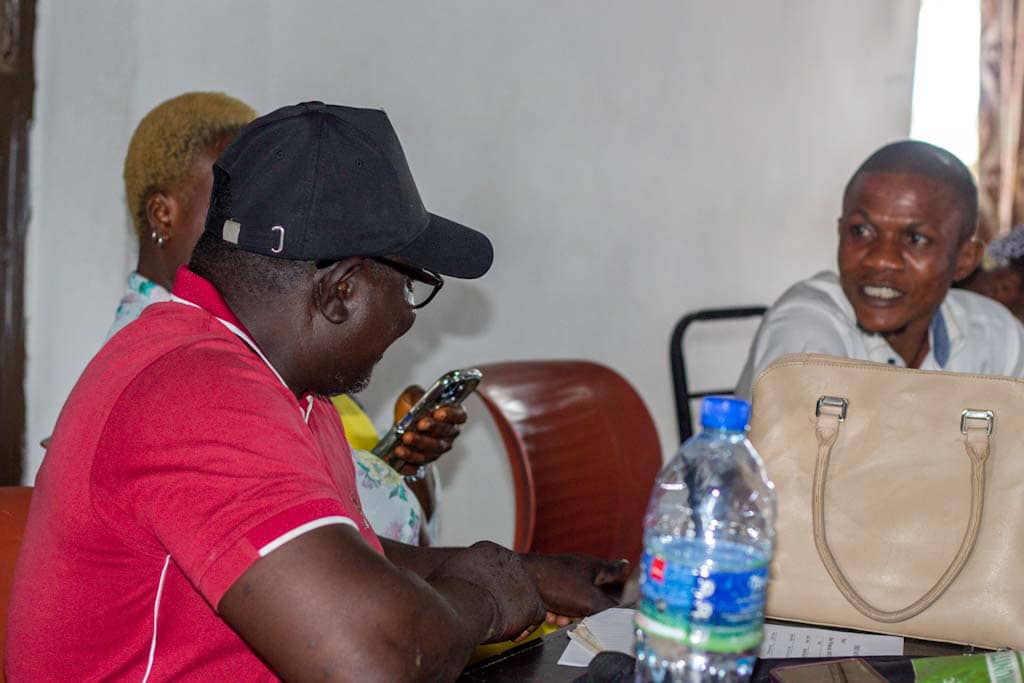
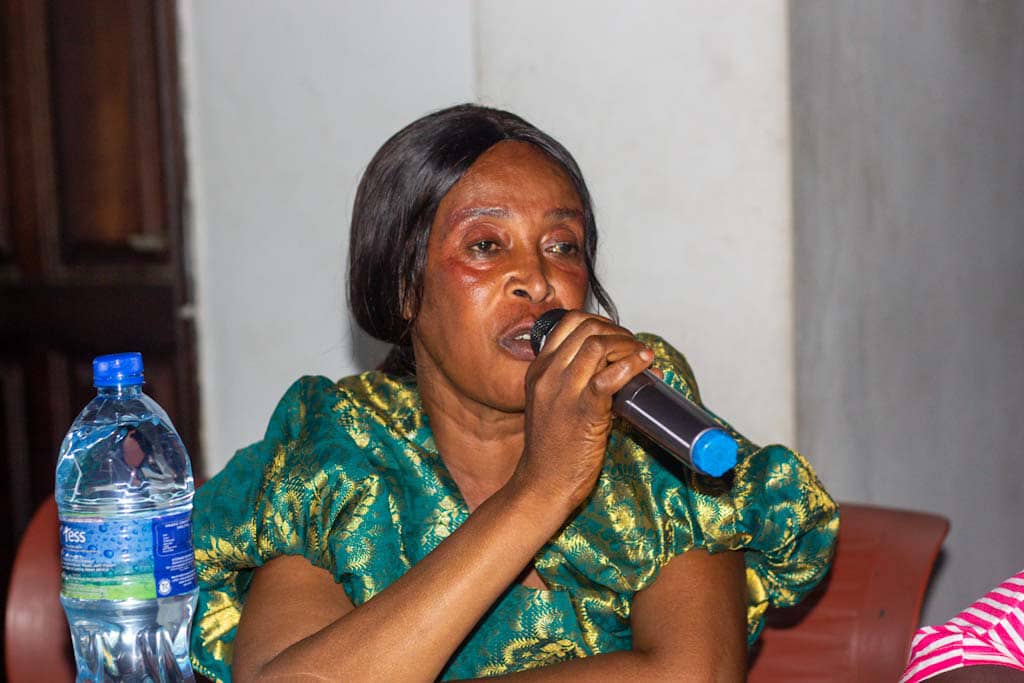
The training, held from 5th to 8th August 2026 at the Pope John Paul II Pastoral Centre, brought together 45 participants, including 35 members of Community Disaster Management Committees (CDMCs) from Culvert, Bottom Oku, Moa Wharf, Portee, Kingtom, Levuma, and Kissy Brook, alongside 10 Caritas Freetown staff.
The training brought together technical expertise from the Freetown City Council (FCC), National Fire Force (NFF), Sierra Leone Red Cross Society (SLRCS), National Disaster Management Agency (NDMA), and Community Disaster Management Committees (CDMCs).
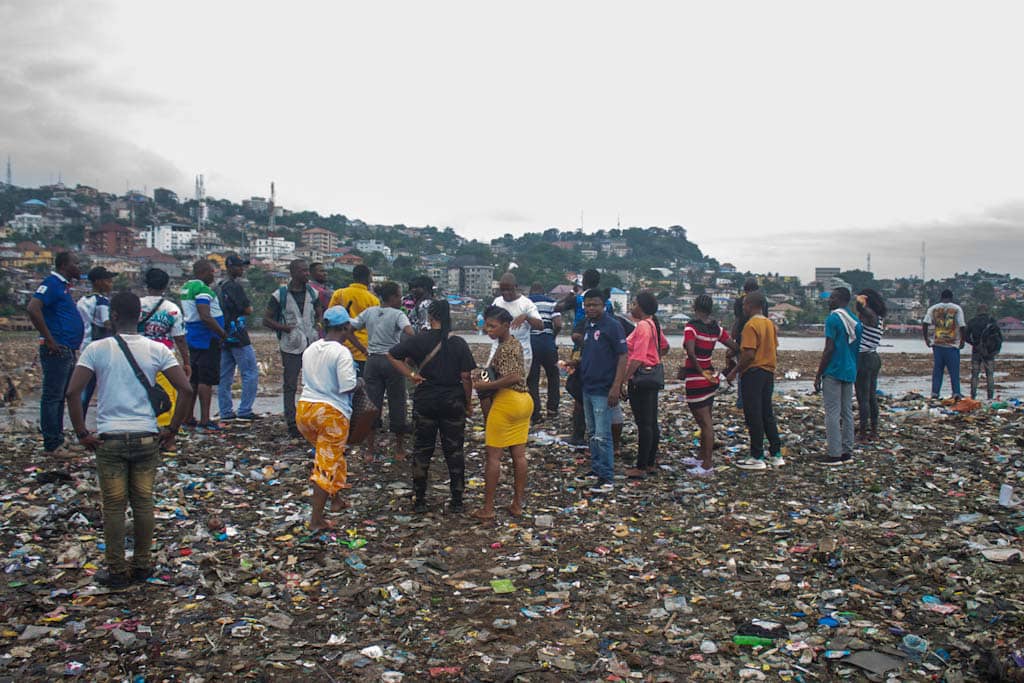
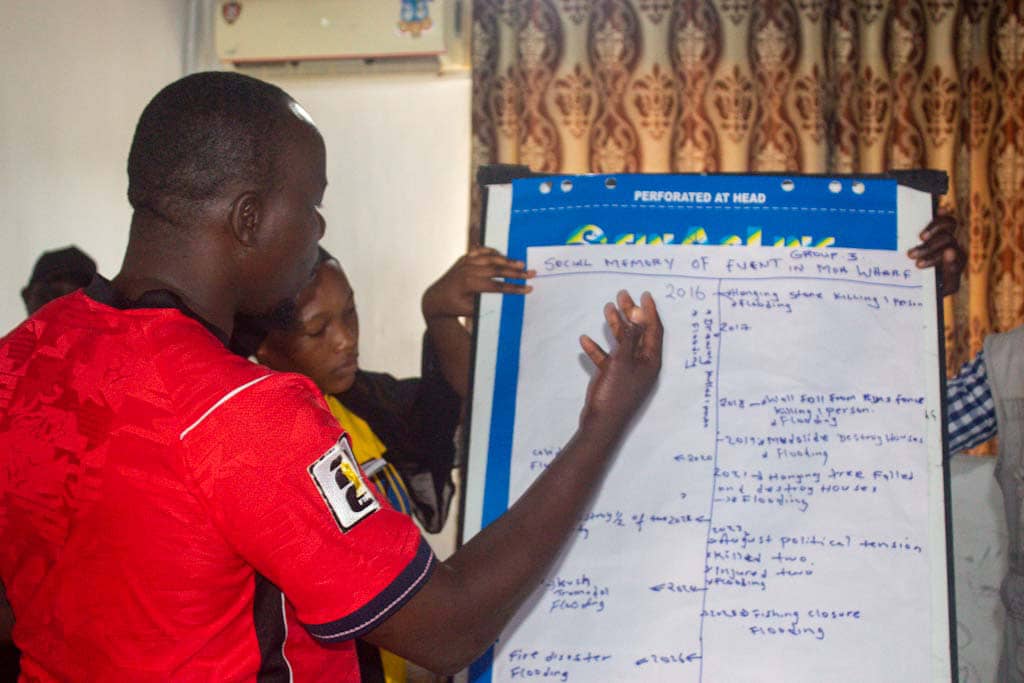
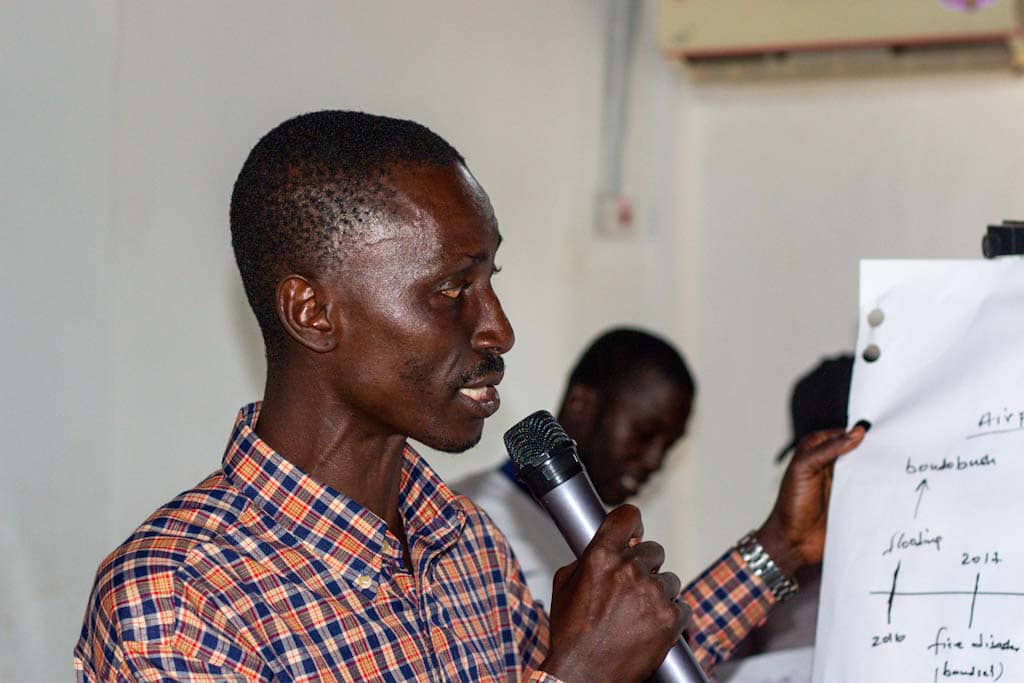
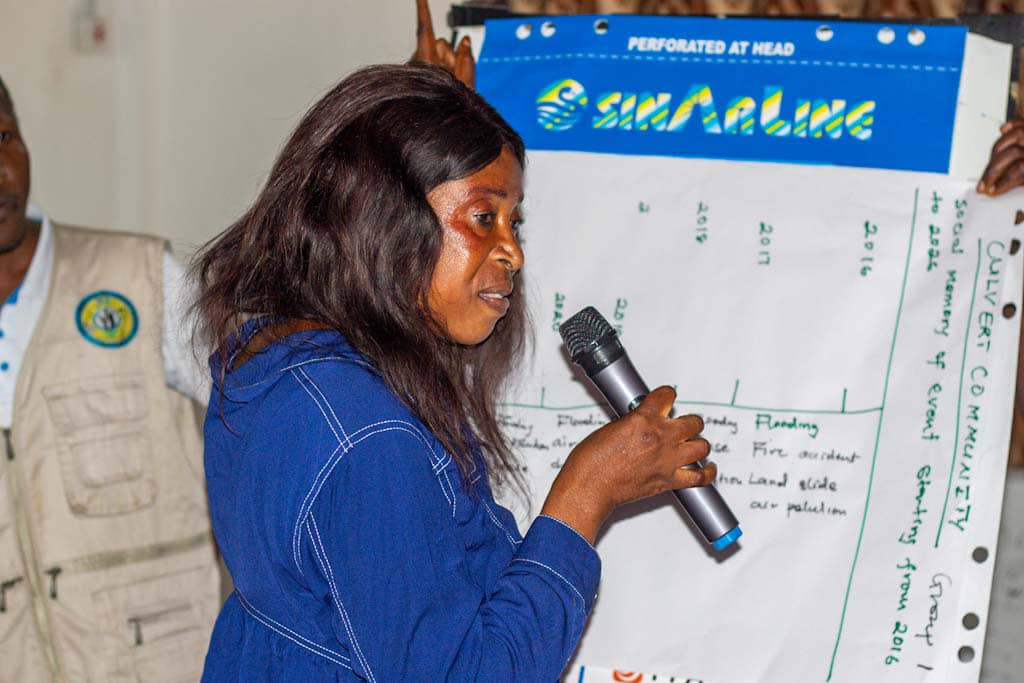
Day One: Community Disaster Risk Mapping and Preparedness
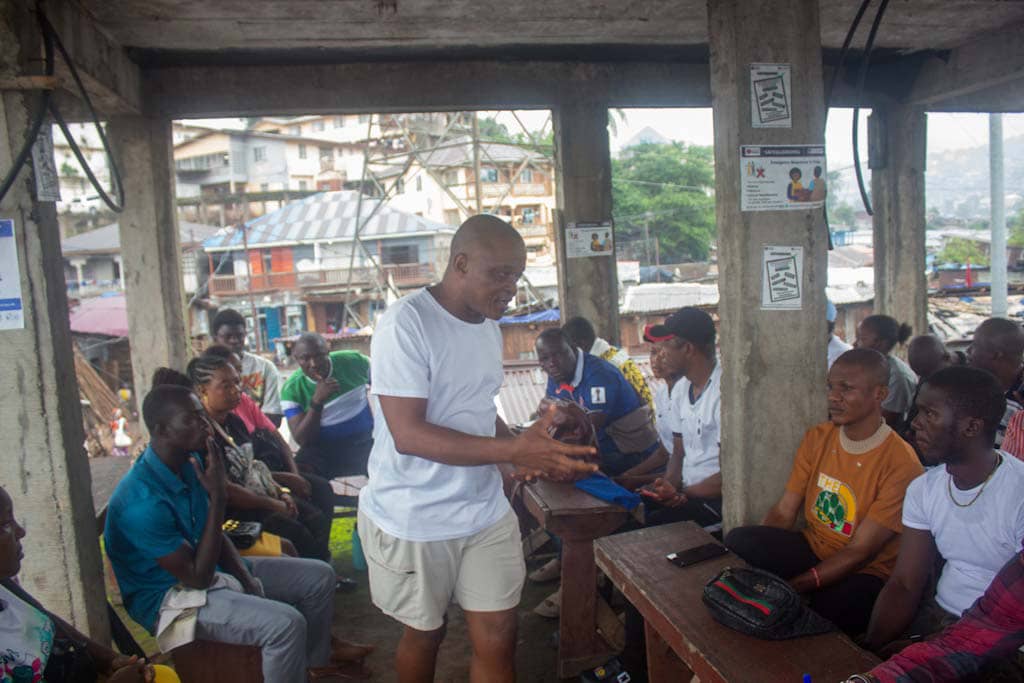
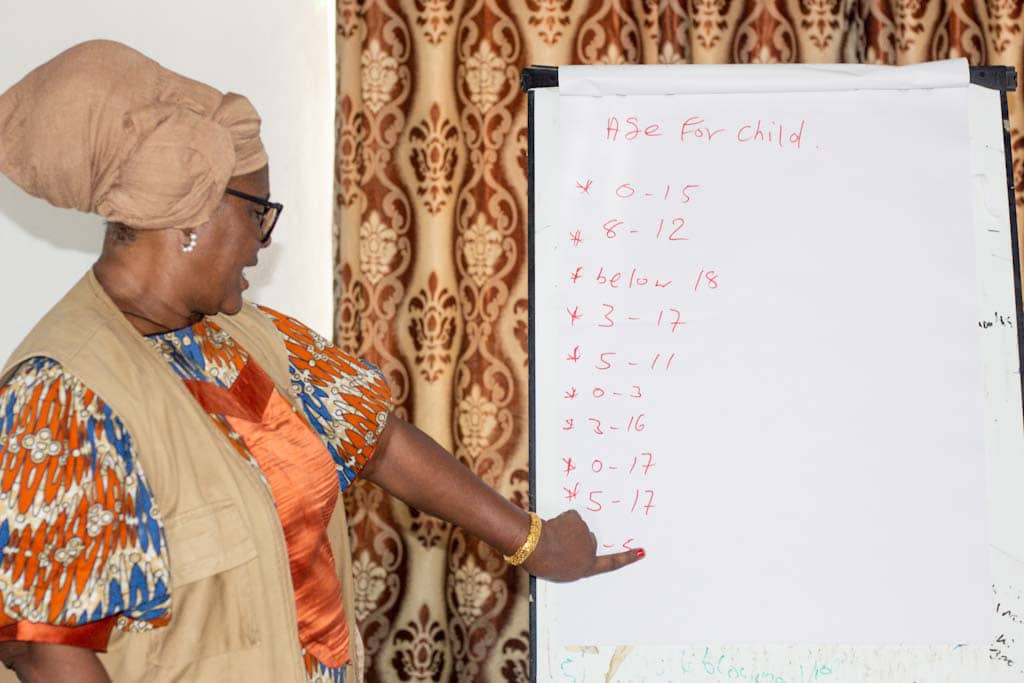
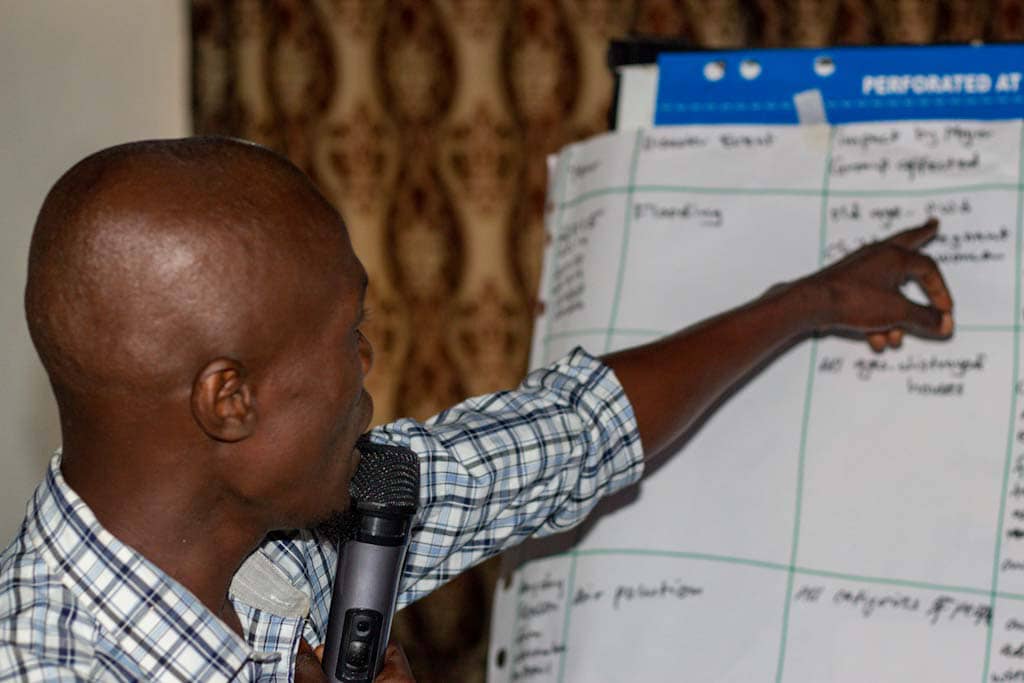
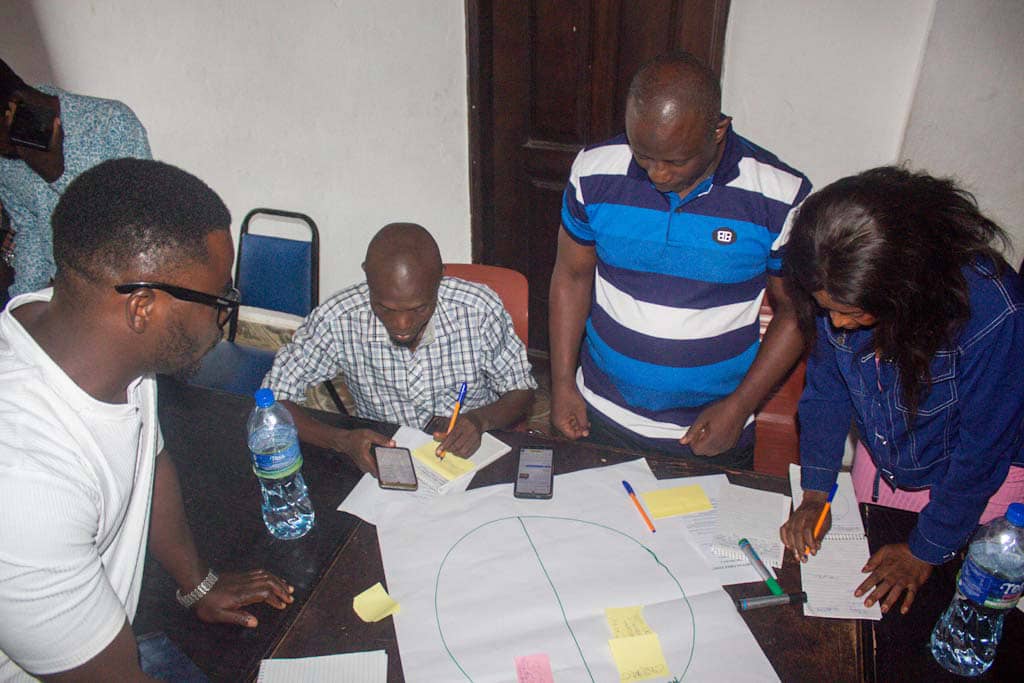
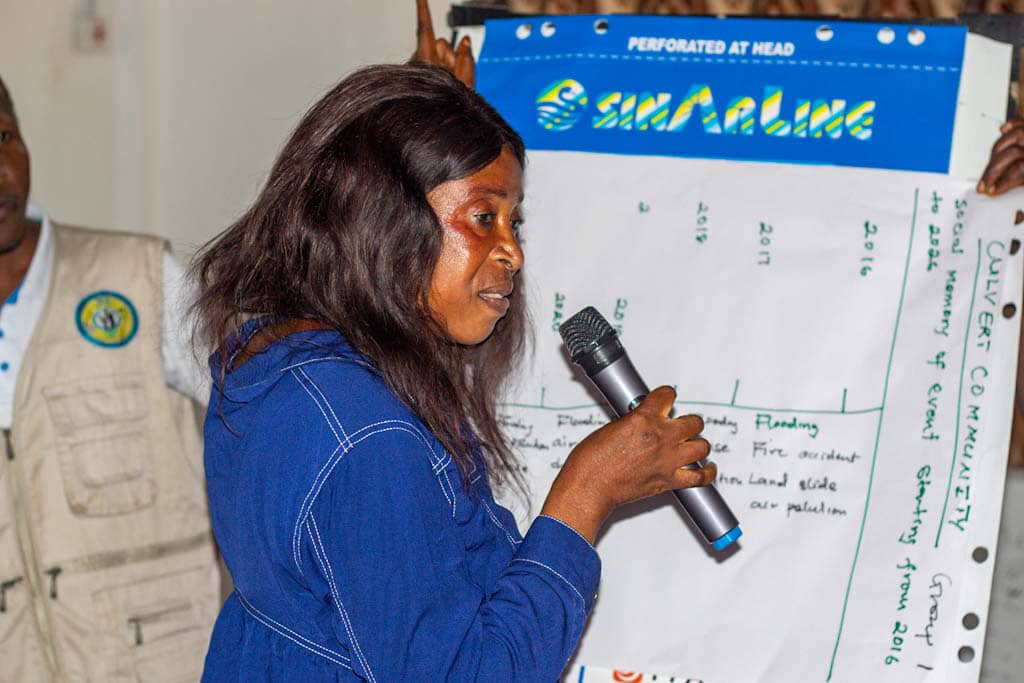
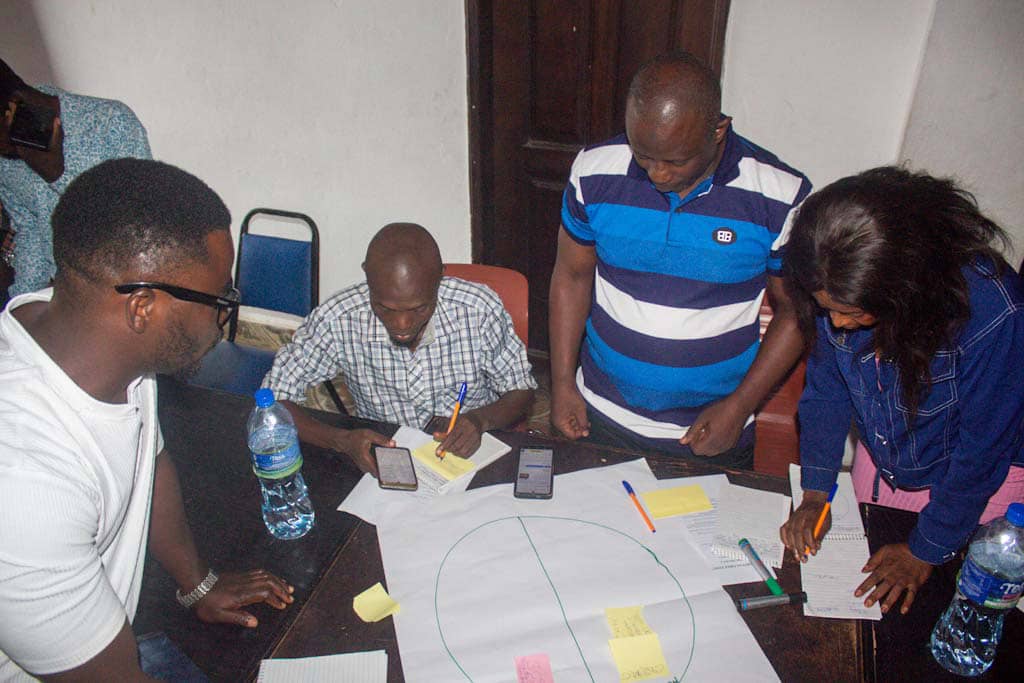
The first day marked the official opening of the training. Participants were introduced to social memory of events, community hazard mapping, and vulnerability and risk mapping. The sessions were facilitated by the National Chairman of CDMCs, Mr. Bob Jones, using interactive discussions and group exercises.
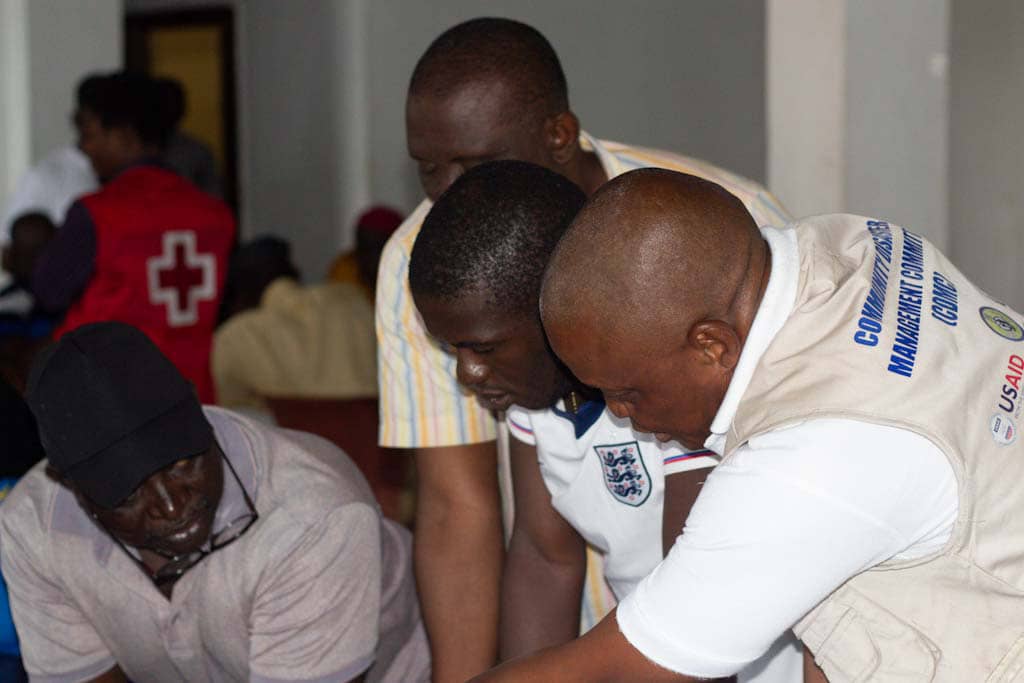
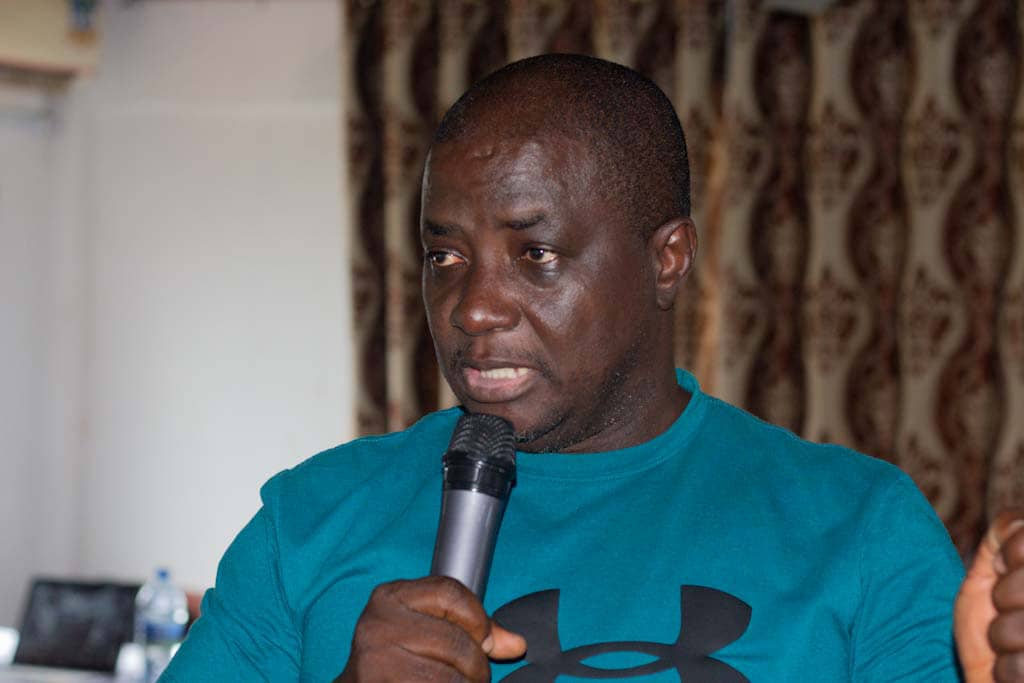
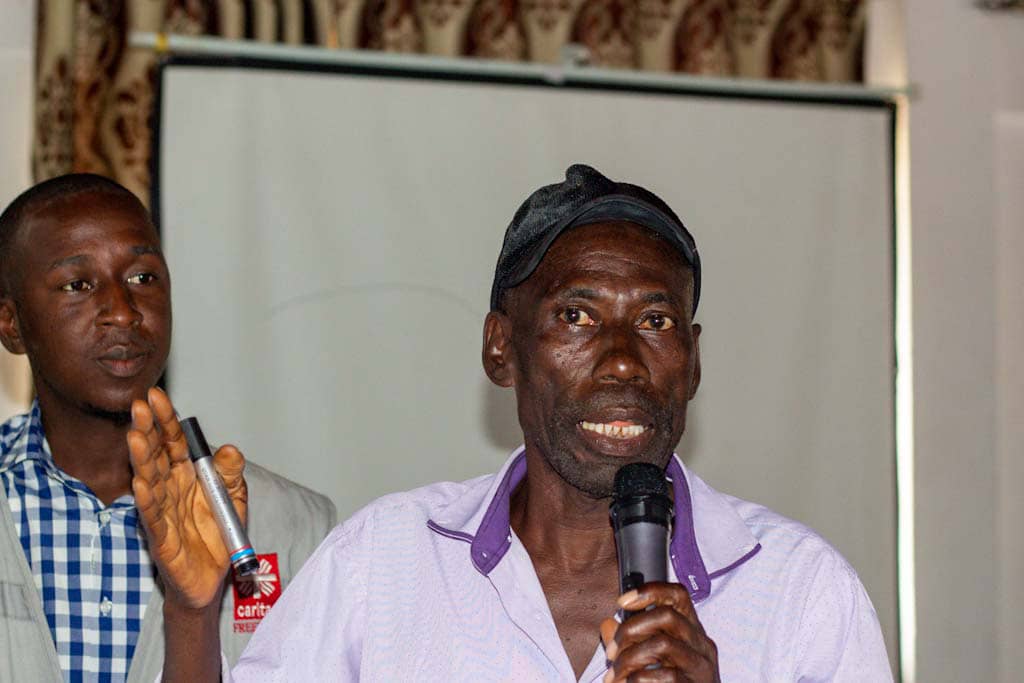
Participants actively engaged in discussions, shared experiences from their respective communities, and raised questions on disaster risks and preparedness. The facilitator emphasized the importance of collaboration and coordination among communities, government institutions, humanitarian organizations, and disaster management structures in strengthening community resilience.
The coordination with the Freetown City Council and NDMA reaffirmed their commitment to supporting disaster risk reduction initiatives and stressed the importance of strong partnerships in ensuring effective emergency preparedness and response. Participants were encouraged to remain actively engaged throughout the training and apply the knowledge and skills gained within their communities.
Day Two: Fire Prevention, Control and Mitigation
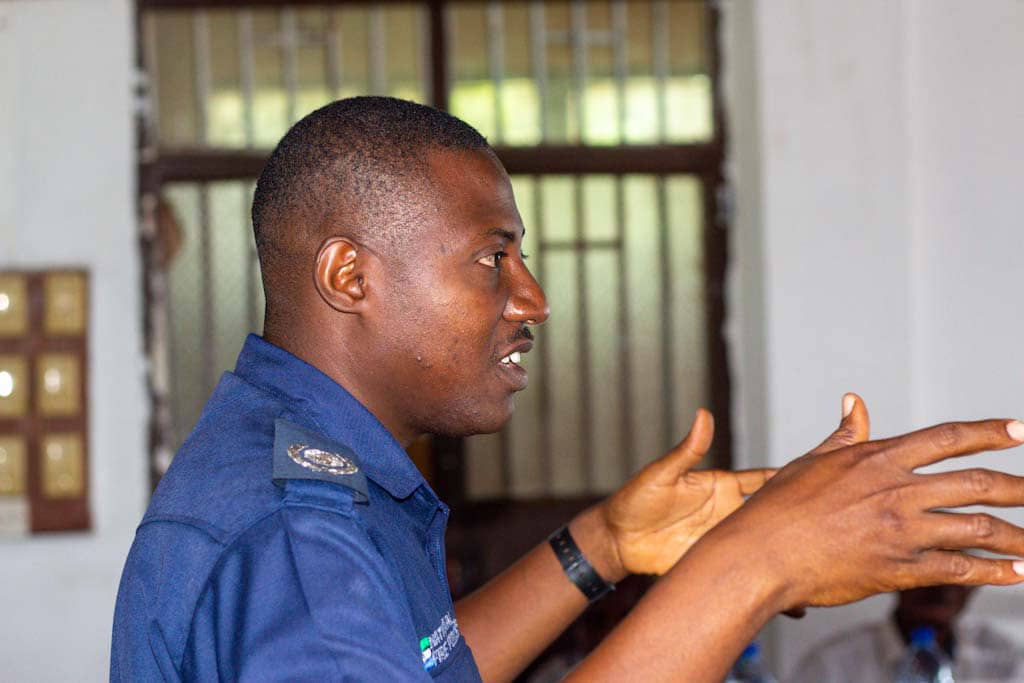
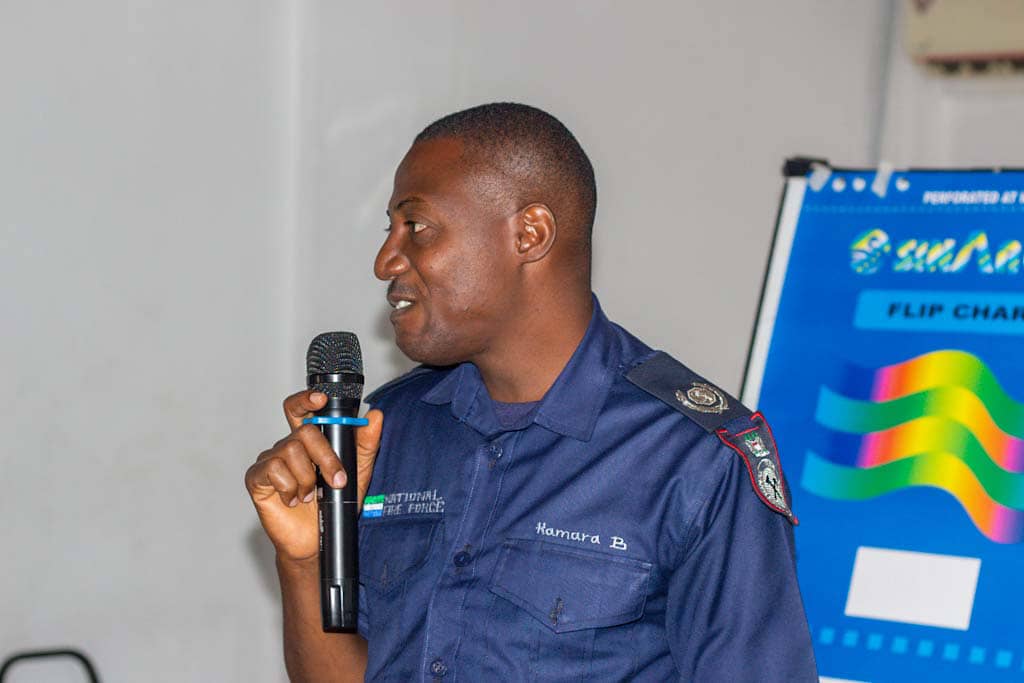
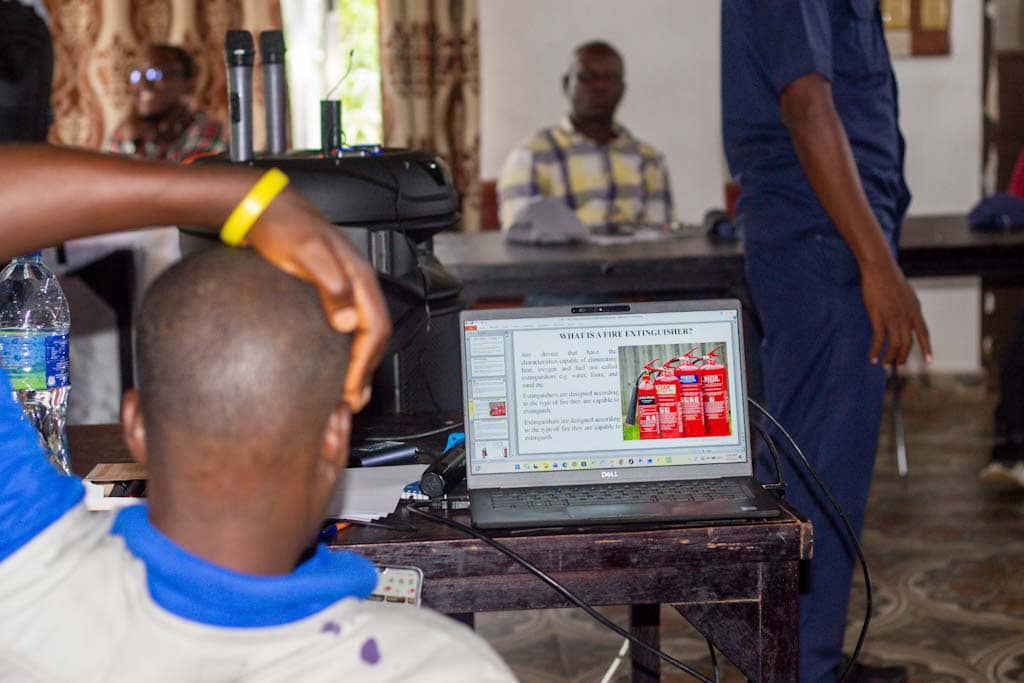
On the second day, the Director and Commander of the National Fire Force, Dr. Bai Kamara, led sessions on fire prevention, control, and mitigation.
He explained the different stages involved in fire rescue operations, key principles of fire control, and the five classes of fire, emphasizing the importance of understanding fire types in selecting appropriate prevention and response measures.
Dr. Kamara also provided participants with emergency contact numbers for reporting fire incidents:
• National Fire Force Headquarters, Circular Road: 300
• Kissy Mess Mess: 301
• Aberdeen: 302
• Western Area Rural: 309
Participants were encouraged to share these emergency contacts within their communities to facilitate timely reporting and response to fire incidents.
The Safeguarding Officer of Caritas Freetown, Madam Grace Jones, also facilitated a session on safeguarding principles. She explained key safeguarding concepts and their application during community-based disaster preparedness and emergency response. Participants actively engaged in the session and raised questions to strengthen their understanding of safeguarding and protection responsibilities.
Day Three: Disaster Response and First Aid
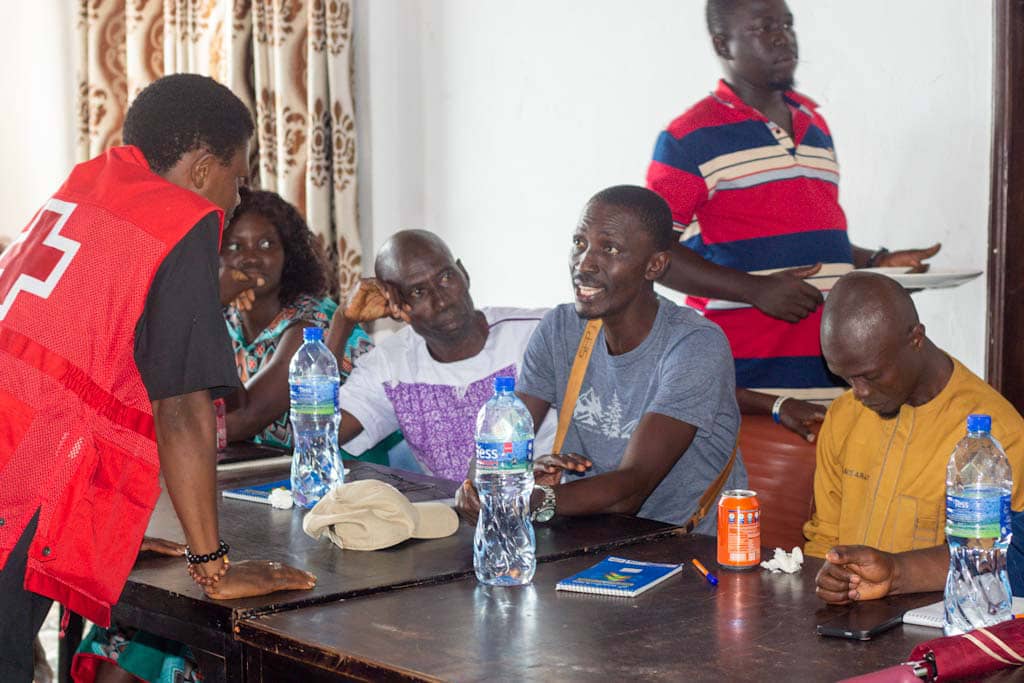
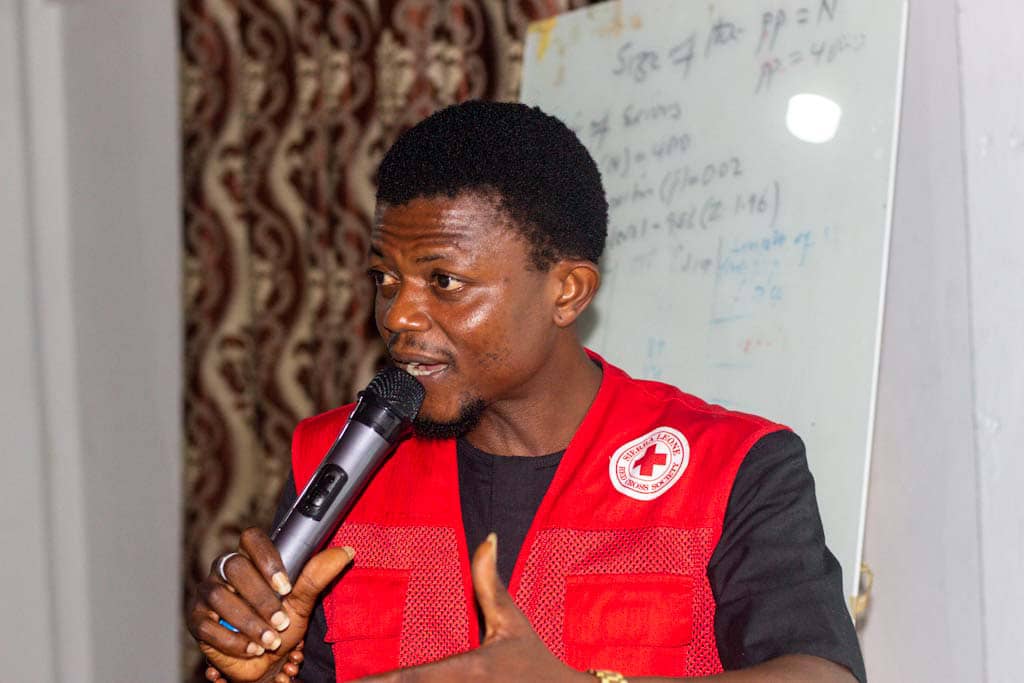
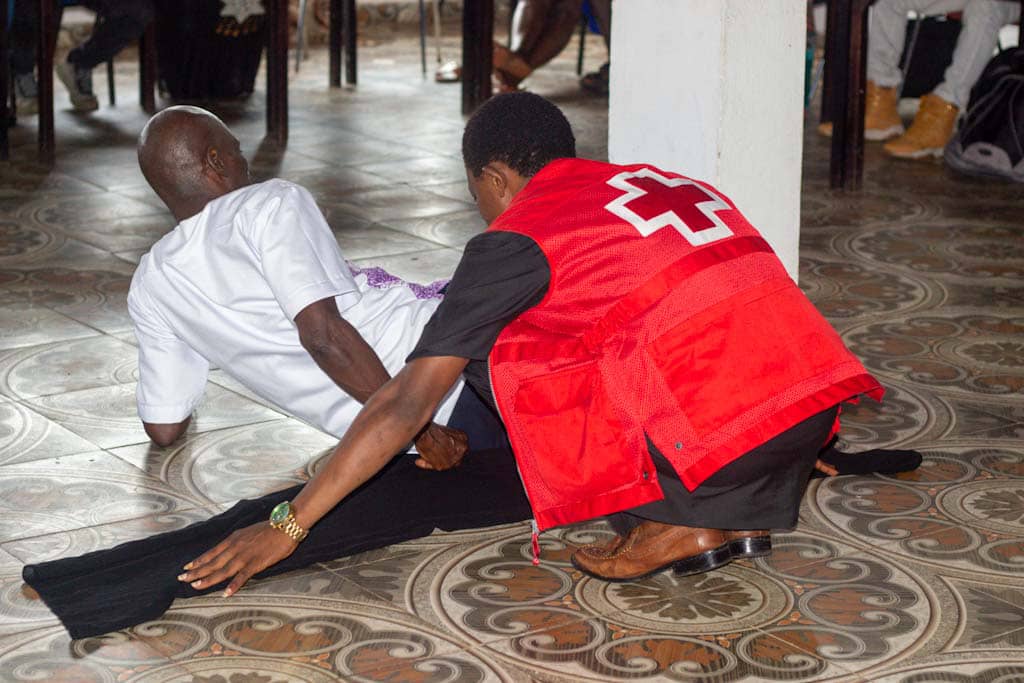
On the third day, a representative of the Sierra Leone Red Cross Society, Mr Paul Kargbo, facilitated sessions on disasters and emergency response. Participants explored the meaning of disasters and examined different causes of disasters, including natural and human-induced hazards affecting communities. The session also focused on first aid, its importance during emergencies, and appropriate procedures for providing immediate assistance to people who are injured or affected during disasters.
The practical discussions helped participants understand the importance of providing safe and timely assistance while waiting for professional emergency responders to arrive.
Day Four: Practical Emergency Response Simulation
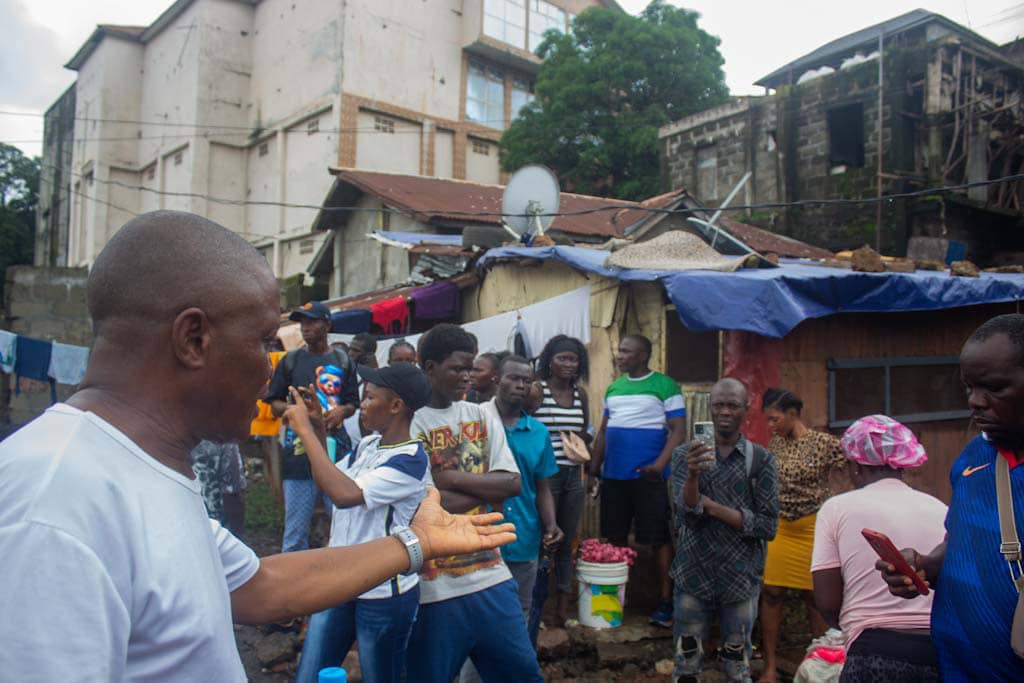
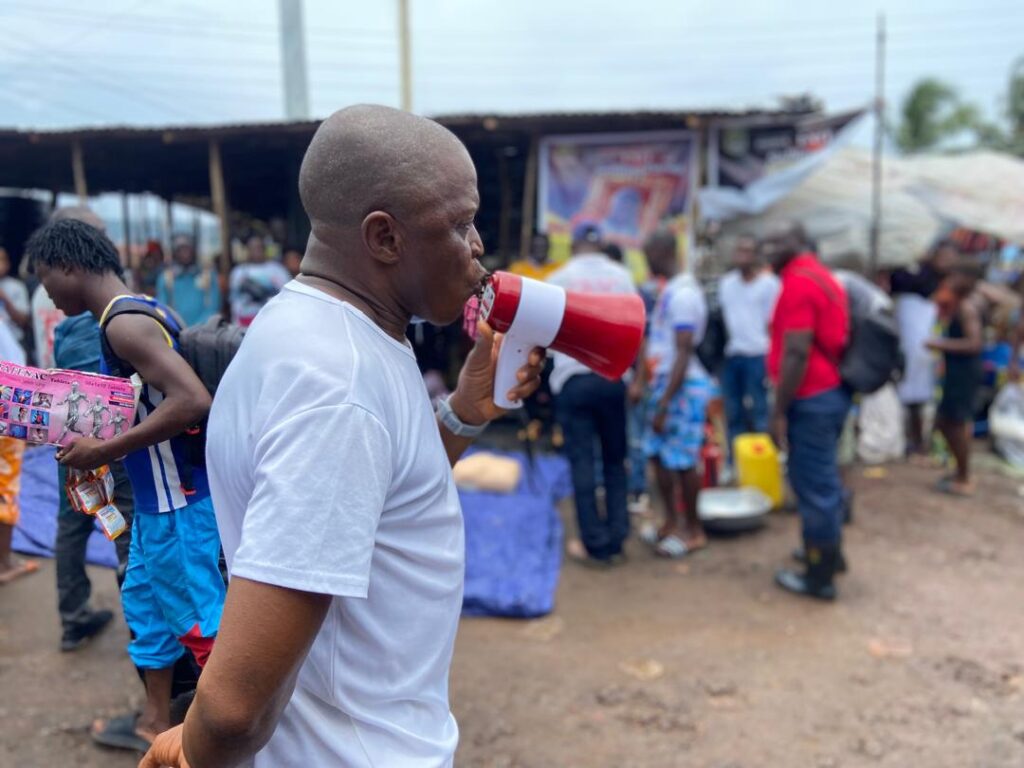
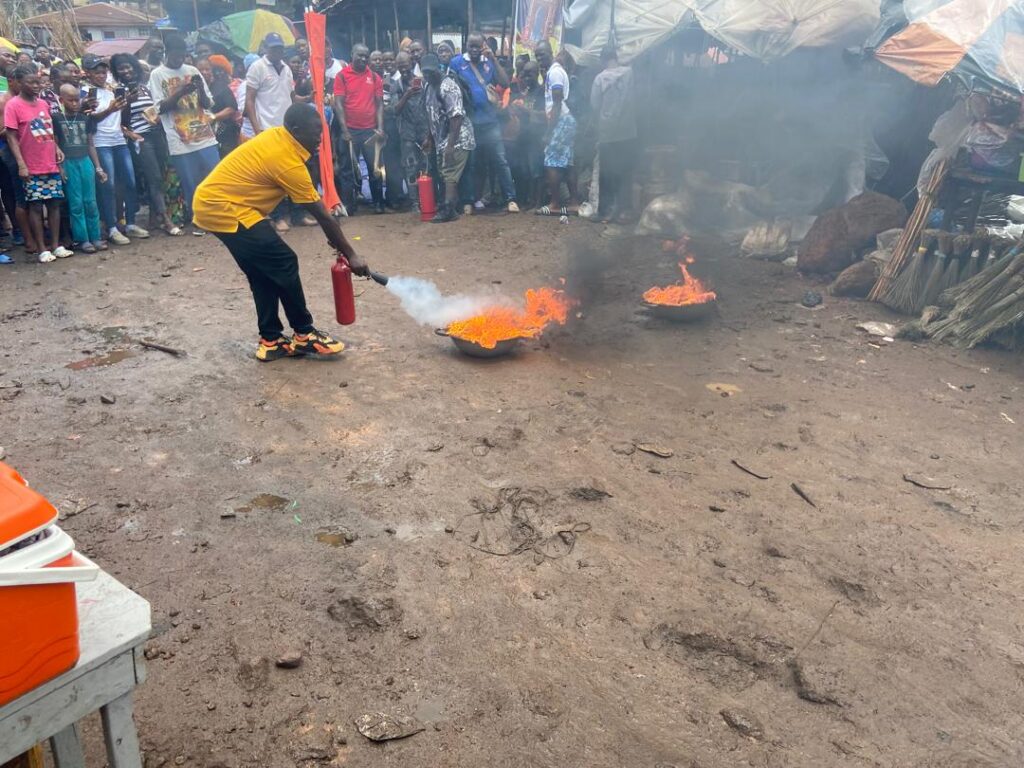
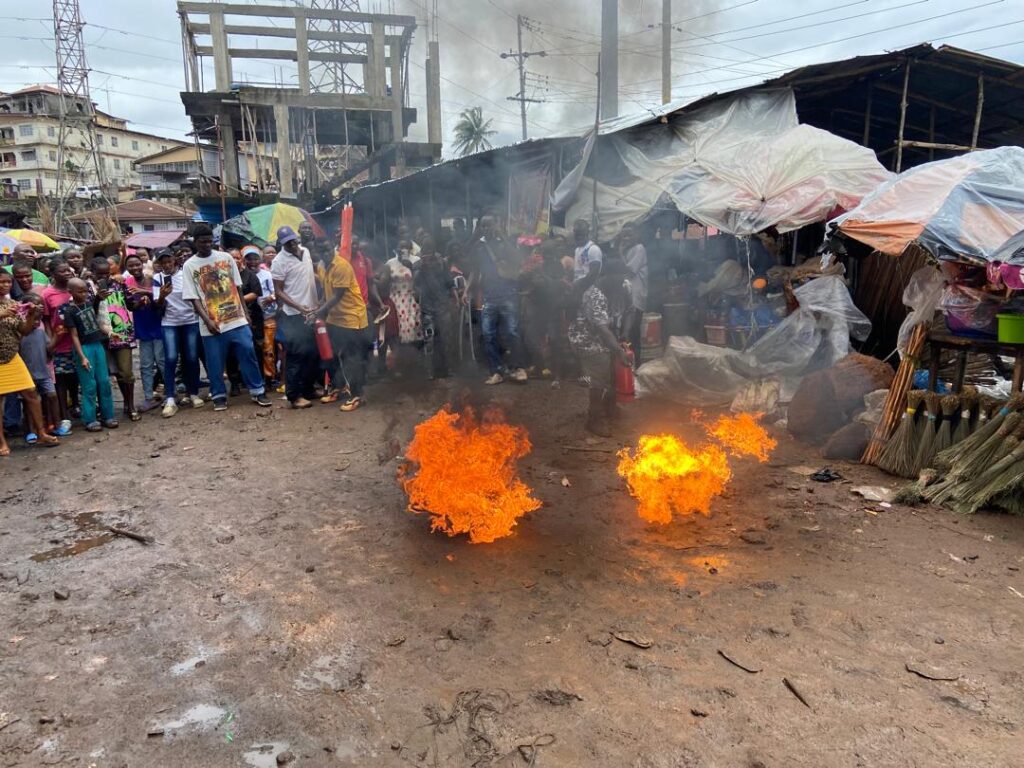
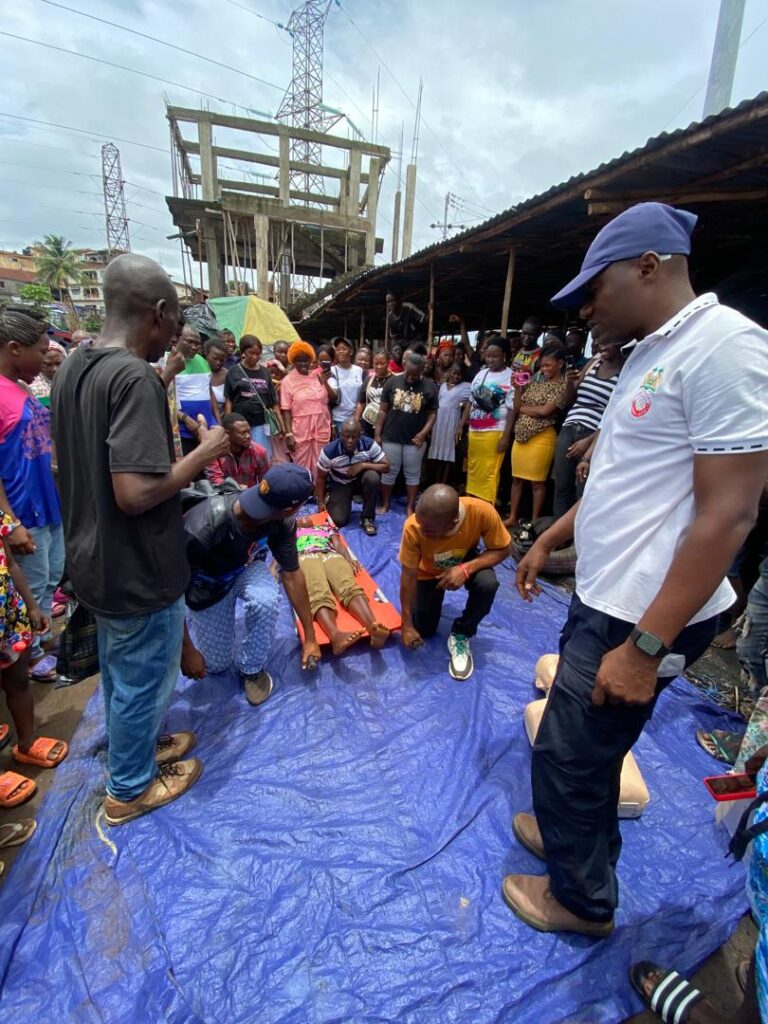
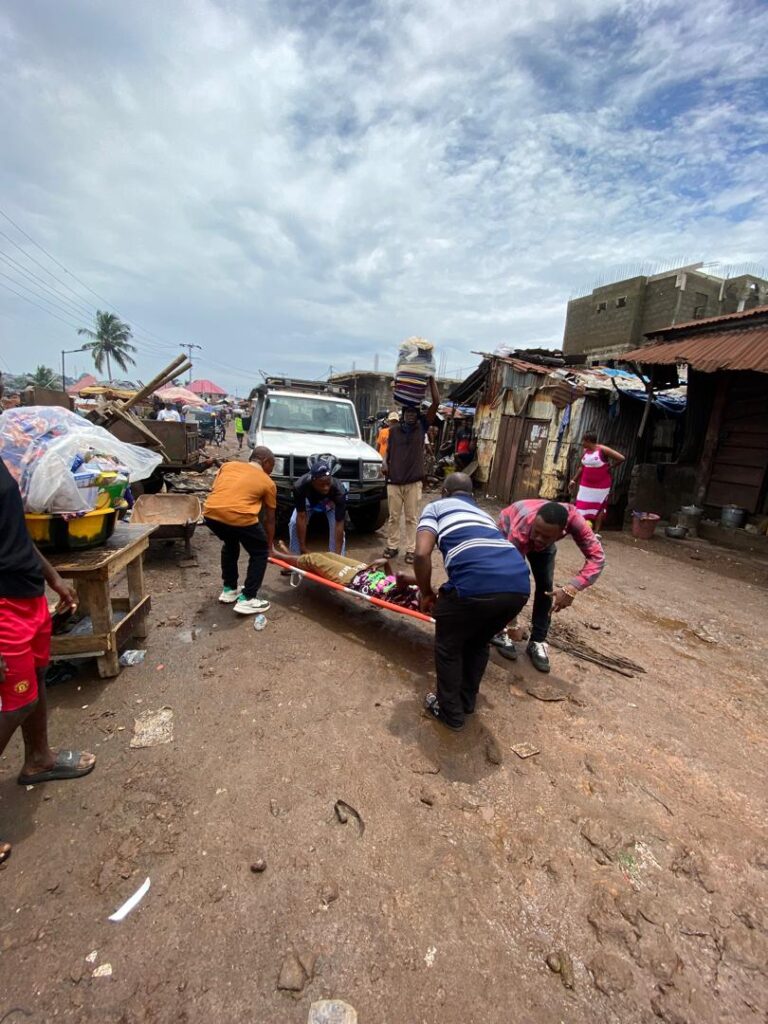
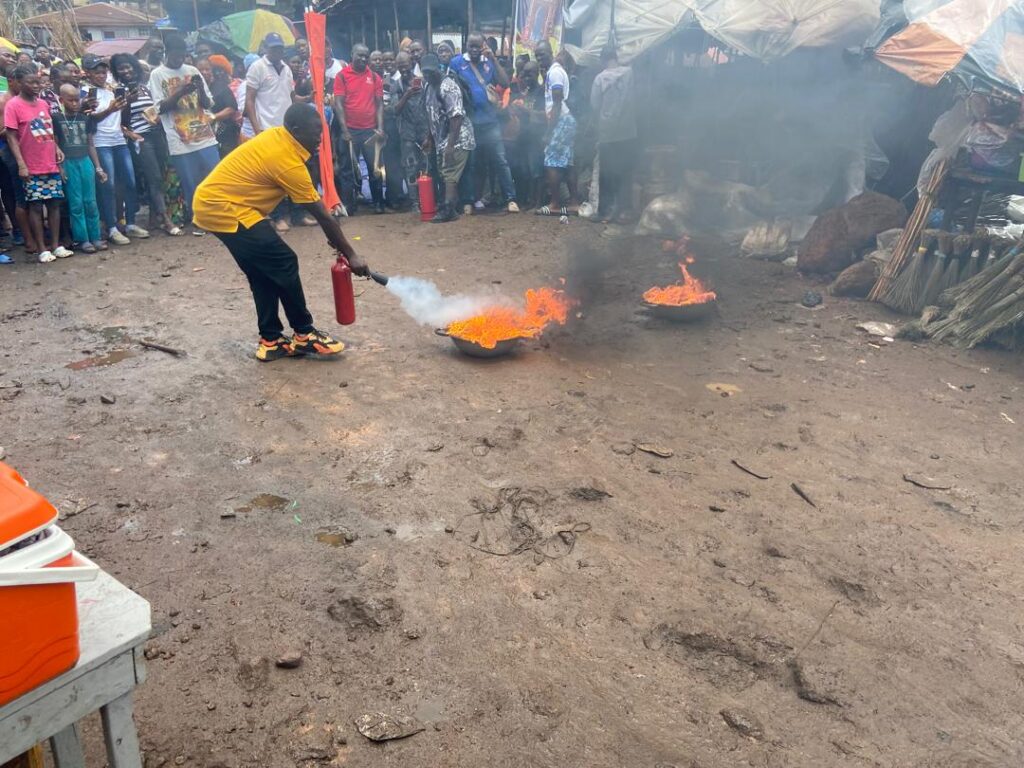
The fourth and final day focused on a practical emergency response simulation conducted in Kolleh Town. The field exercise provided participants with an opportunity to apply the knowledge and skills acquired during the previous three days in a simulated emergency situation.
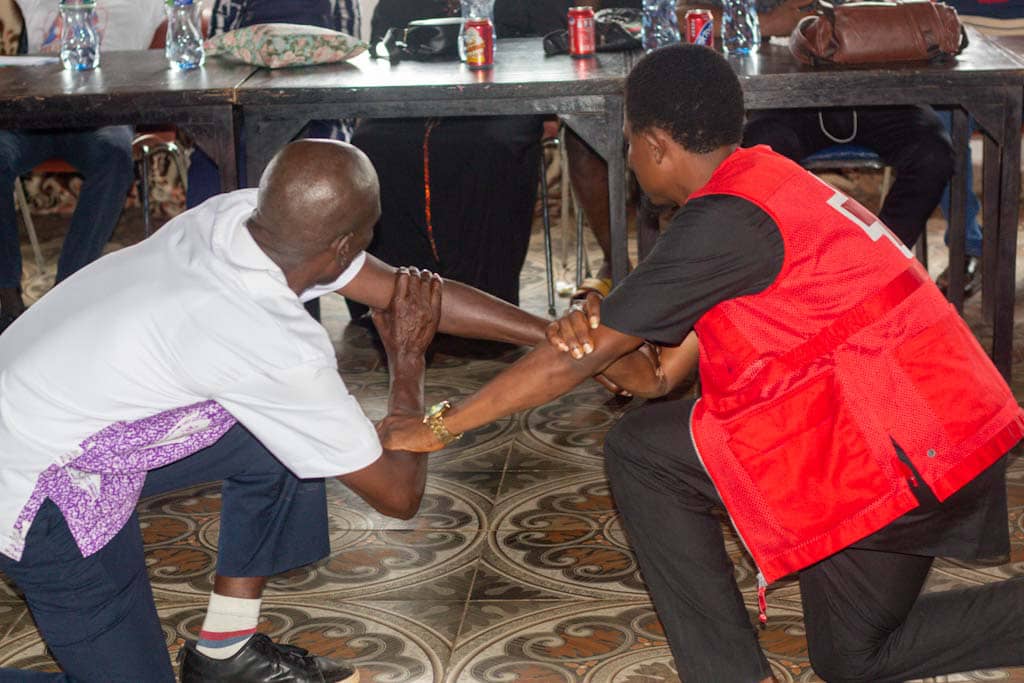
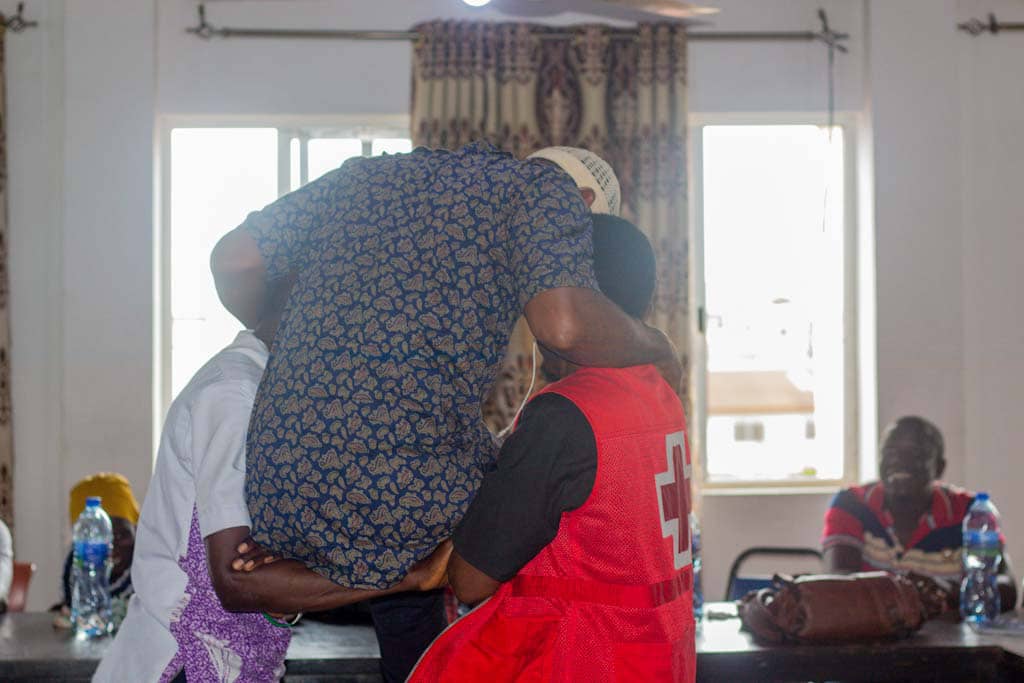
During the simulation, participants demonstrated several key emergency response actions, including:
- Evacuating victims from danger and moving them to a safe location;
- Providing basic first aid to injured or affected persons;
- Contacting the National Fire Force and other relevant emergency responders;
- Supporting victims who had lost consciousness; and
- Coordinating response actions to ensure the safety of affected persons.
The simulation enabled participants to translate theoretical knowledge into practical action and provided an opportunity for facilitators to observe participants’ ability to make decisions and coordinate during an emergency.
In conclusion, the four-day Fire and Water Safety Training was highly interactive, informative, and practical. Participants actively engaged in technical sessions, group discussions, experience sharing, and practical exercises, culminating in a field-based emergency response simulation.
The training strengthened the knowledge and practical skills of Community Disaster Management Committee members and enhanced their capacity to support disaster preparedness, early response, safe evacuation, first aid, and community-level emergency coordination.
Caritas Freetown remains committed to working with communities, government institutions, humanitarian organizations, and other partners to strengthen disaster preparedness, build community resilience, and support communities to better prevent and respond to emergencies.