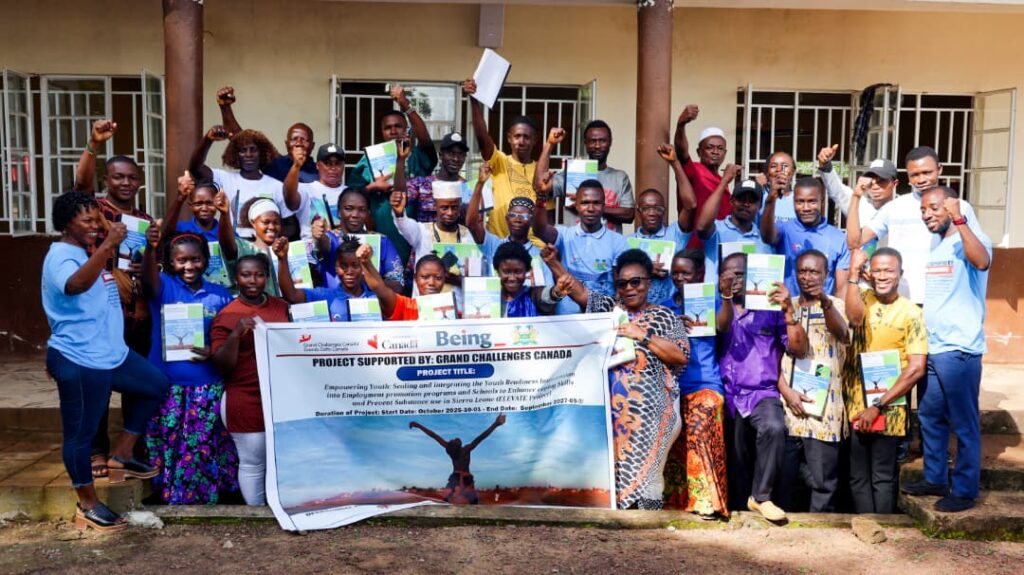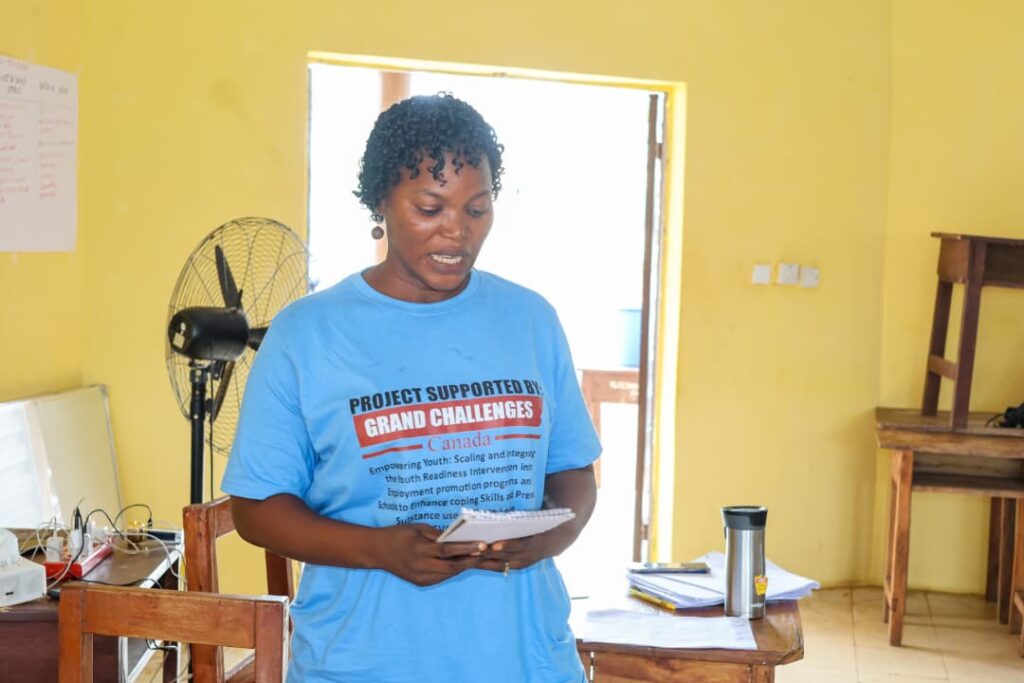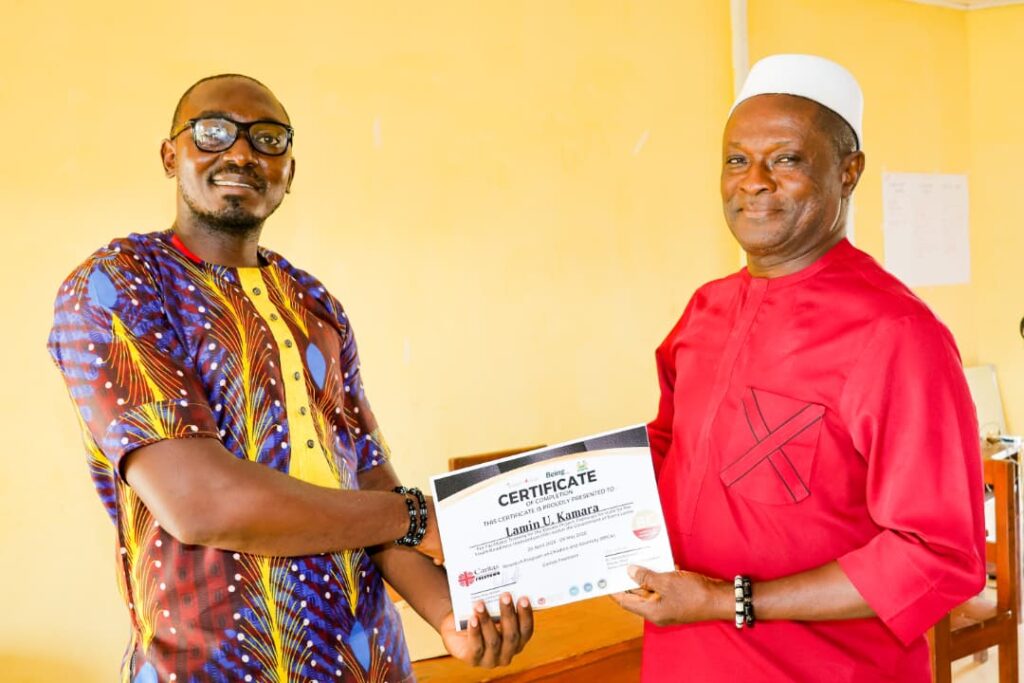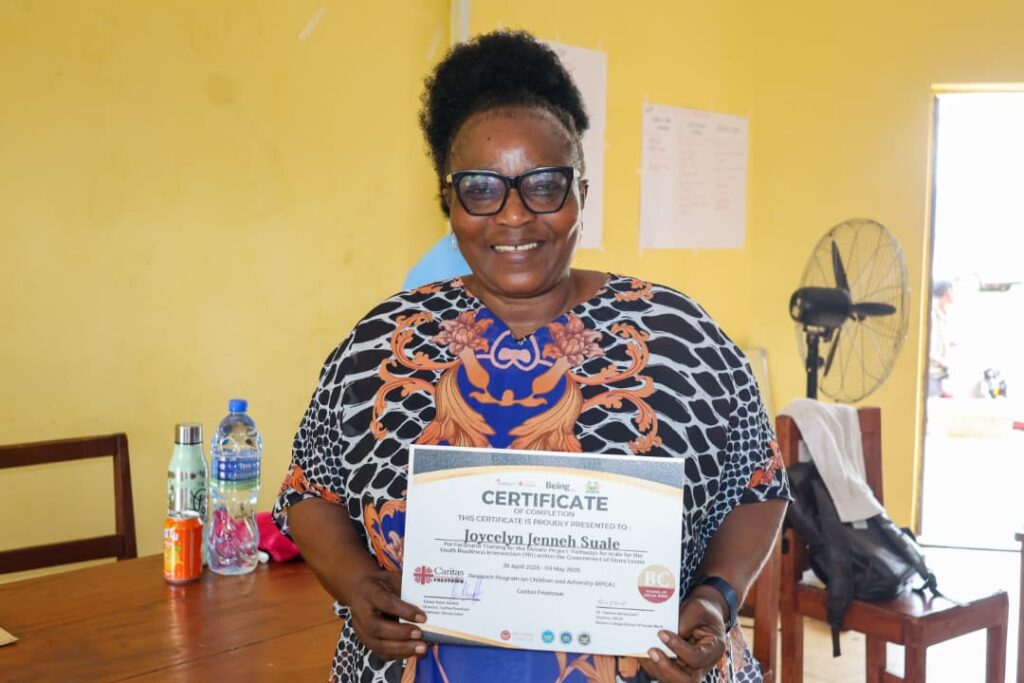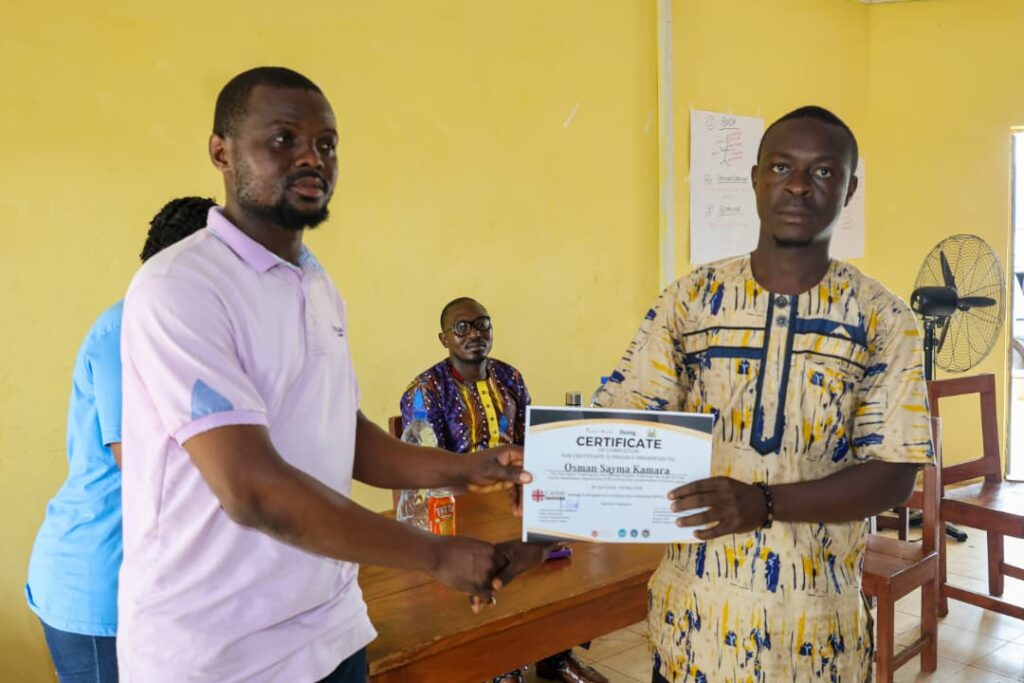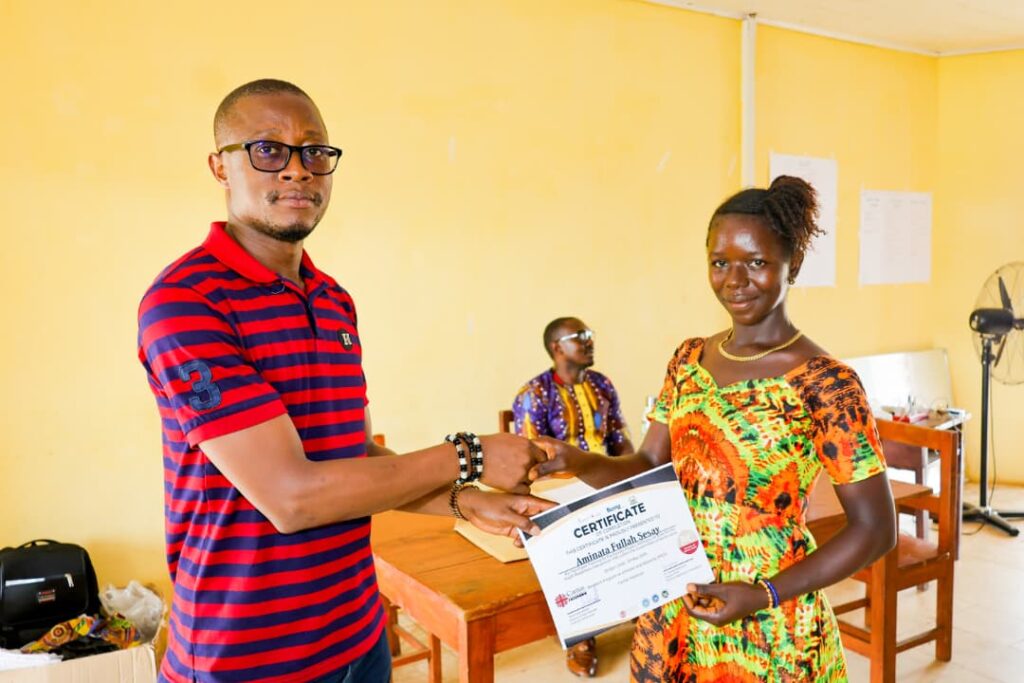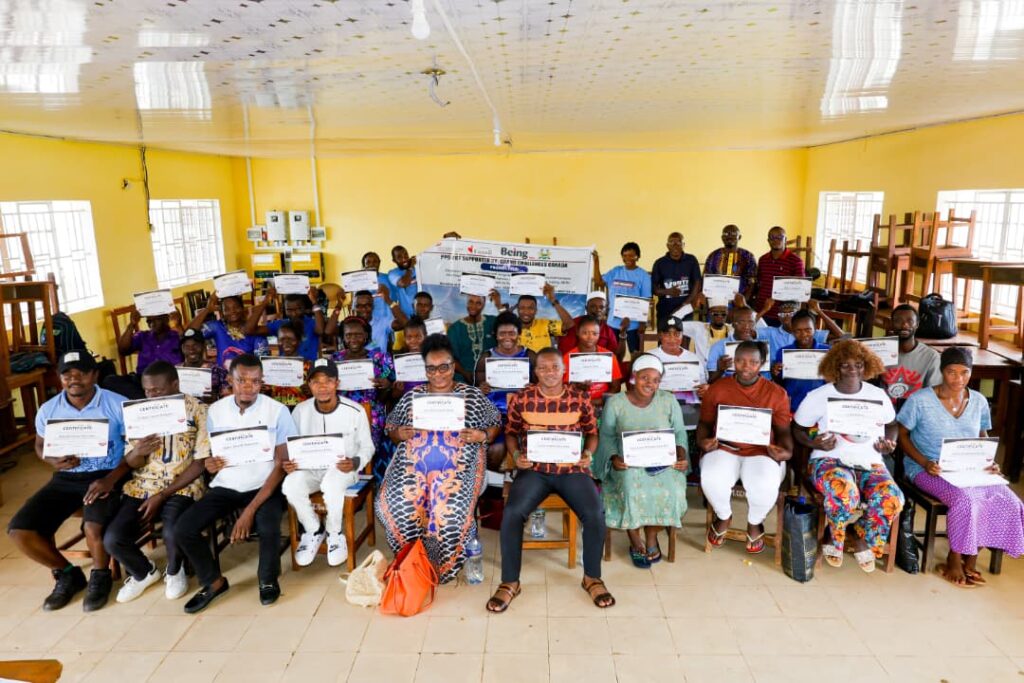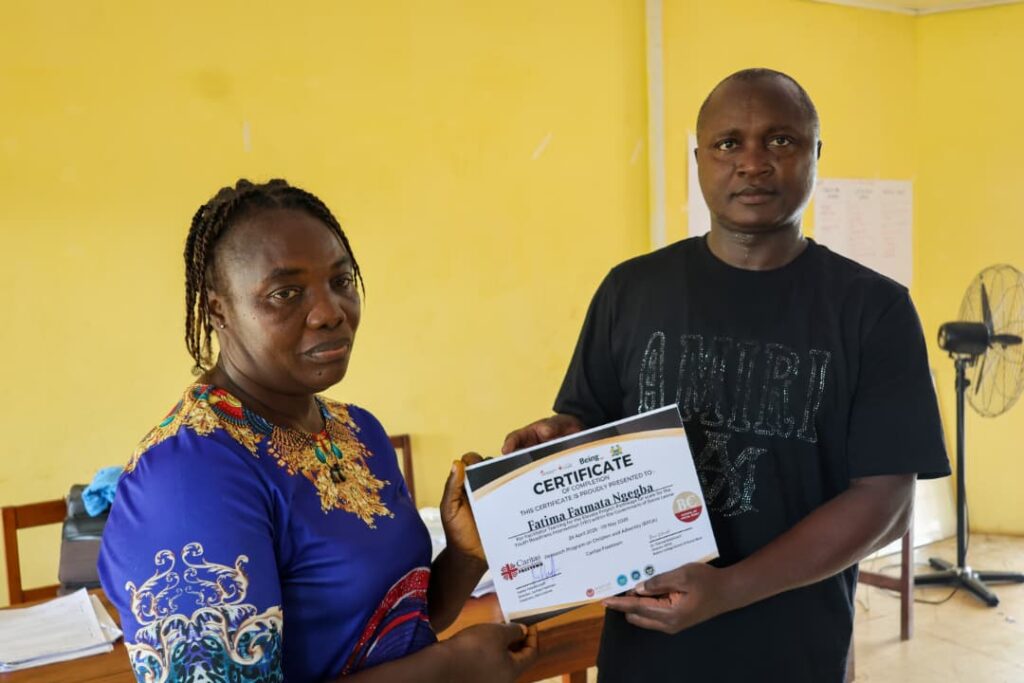
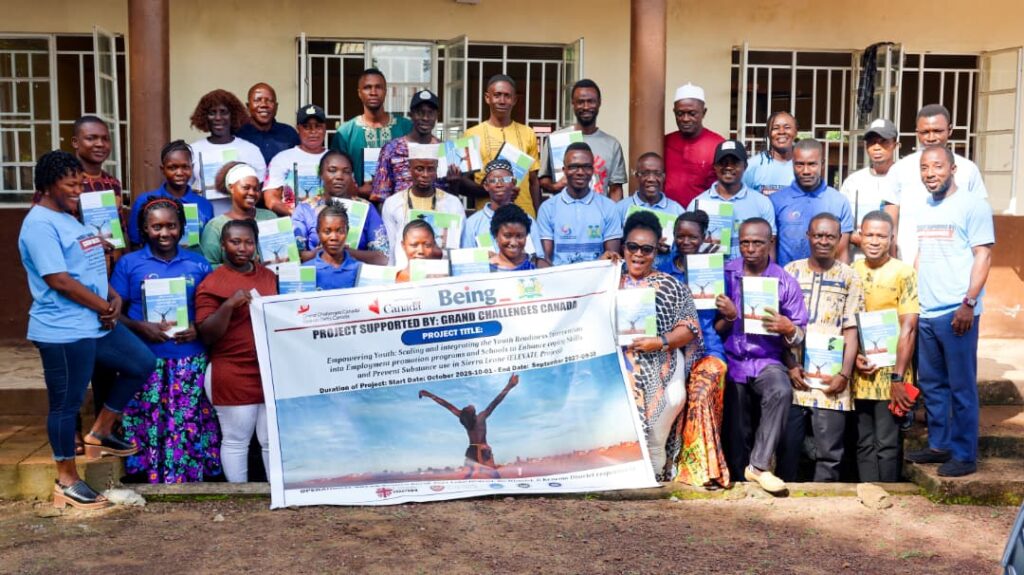
Caritas Freetown, in collaboration with Boston College, the Government of Sierra Leone, (Ministry of Health, Ministry of Social Welfare and the Ministry of Youth Affairs with support from Being, has successfully trained Health Workers (CHWs), Mental Health Nurses, Social Workers, and Youth Officers to deliver the Youth Readiness Intervention (YRI) across the districts of Port Loko, Bo, and Kenema.
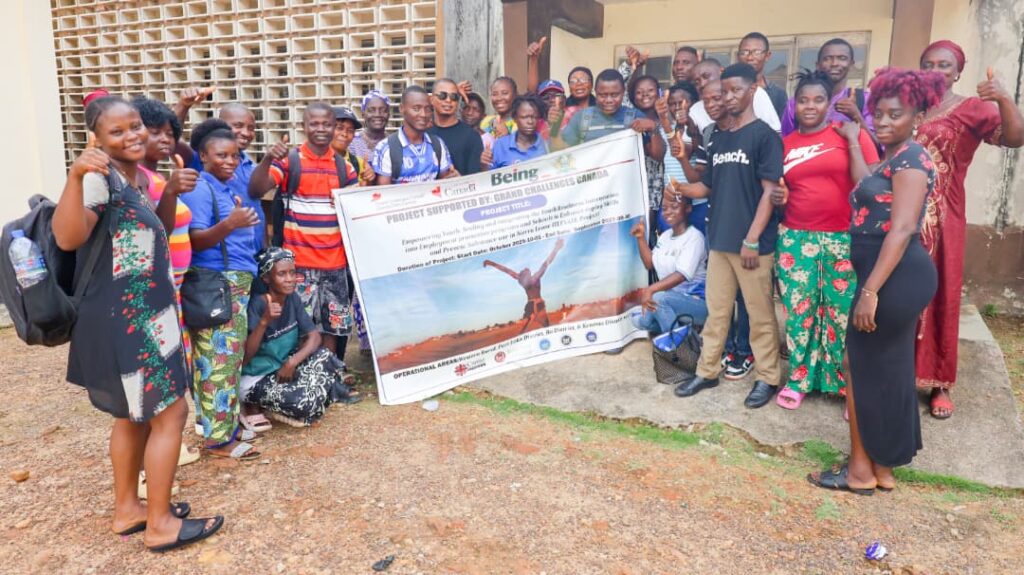
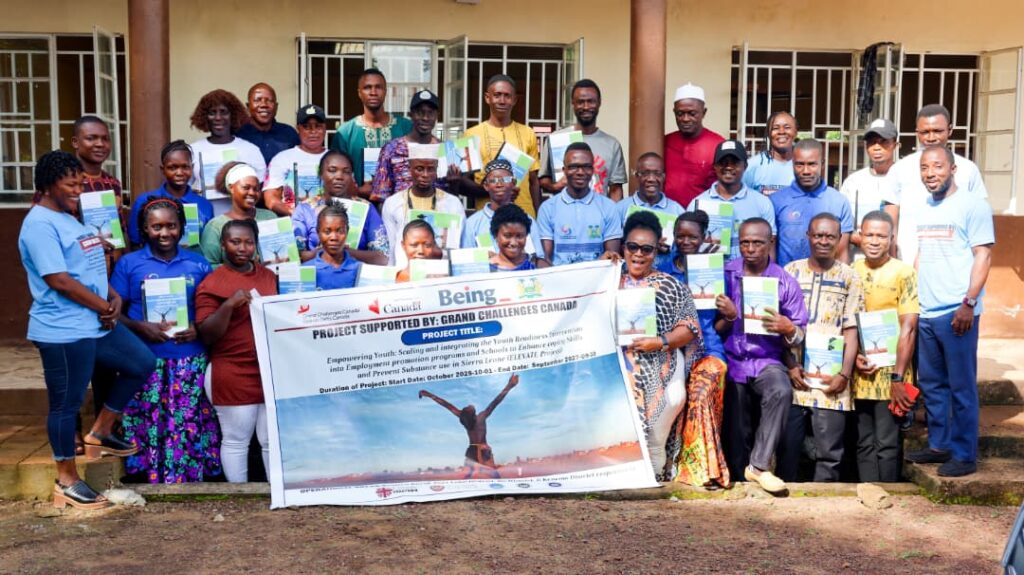
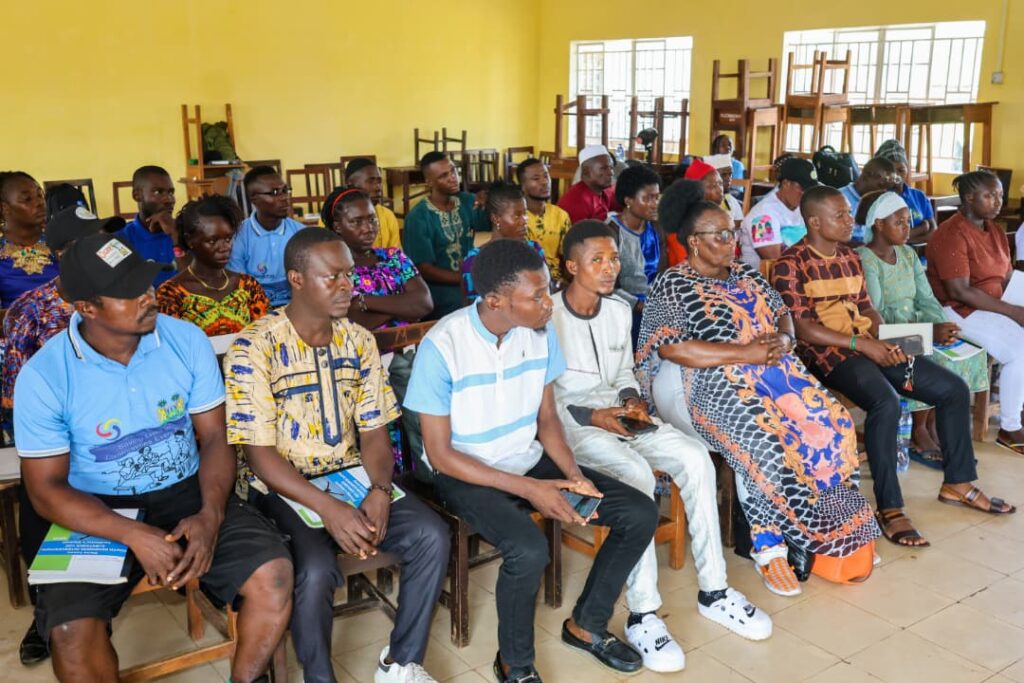
The 10-day training, held from 29 June to 10 July 2026 under the Elevate Project, brought together approximately 102 participants and equipped them with the knowledge, practical skills, and facilitation techniques required to deliver the evidence-based Youth Readiness Intervention within their respective communities.
The training reflects a strong multi-sectoral partnership involving the Ministry of Health, the Ministry of Social Welfare, and the Ministry of Youth Affairs, each playing a distinct role in ensuring the successful implementation of the intervention. Community Health Workers and Mental Health Nurses from the Ministry of Health were trained to deliver the Youth Readiness Intervention directly to young people in their communities. Social Workers from the Ministry of Social Welfare received specialised training to provide psychosocial support and strengthen the protection and wellbeing of vulnerable young people throughout the intervention. Youth Officers from the Ministry of Youth Affairs were equipped to identify, mobilise, and provide ongoing support to eligible young people, ensuring that those most in need are effectively linked to the programme.
This collaborative approach demonstrates the Government of Sierra Leone’s leadership and ownership of efforts to expand access to quality mental health services for young people through coordinated action across key government institutions and development partners.
The Youth Readiness Intervention is designed to support young people aged 15 to 30 who have experienced adversity and are facing mental health challenges such as anxiety, sadness, emotional distress, aggression, and difficulties in interpersonal relationships. Through the intervention, trained facilitators help participants build resilience, strengthen emotional regulation, improve problem-solving skills, and develop healthy coping strategies that enhance their overall wellbeing.
The training formed part of ongoing efforts to strengthen community-based mental health and psychosocial support services by building the capacity of frontline professionals who work directly with vulnerable adolescents and young people across Sierra Leone.
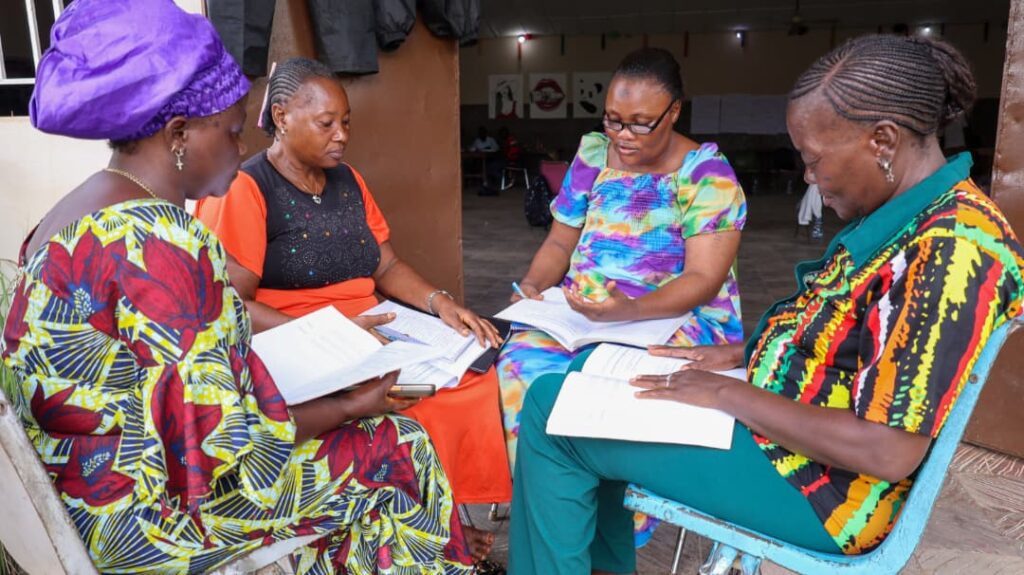
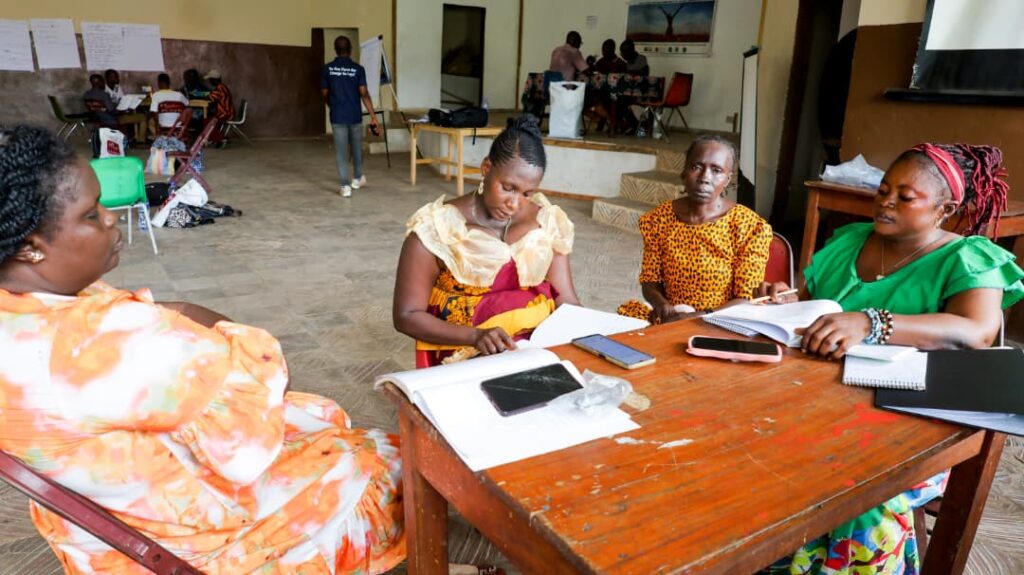
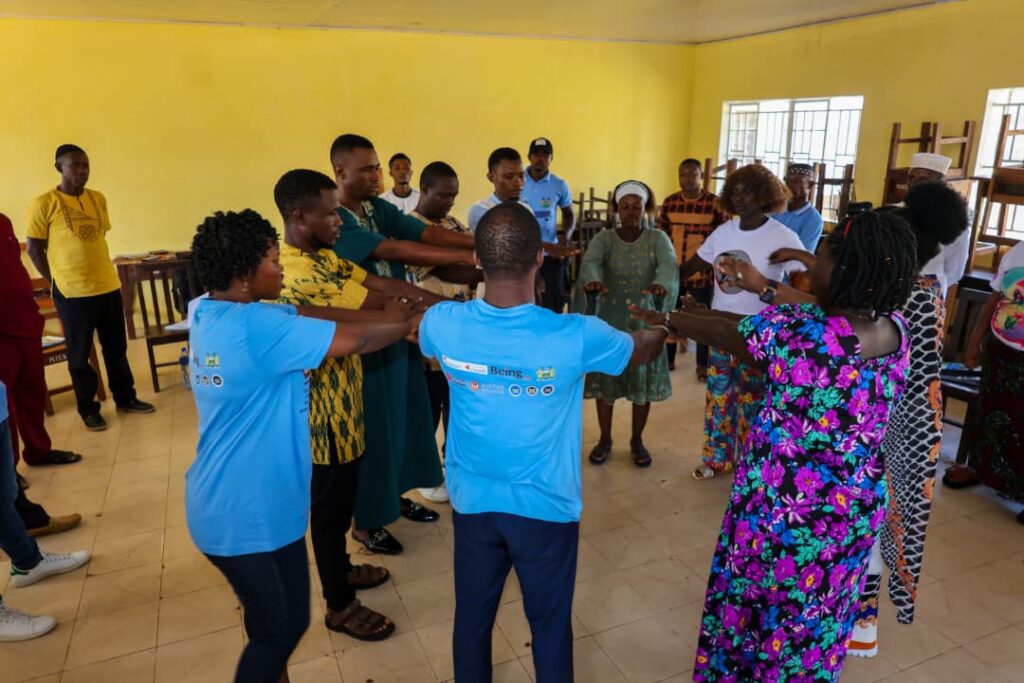
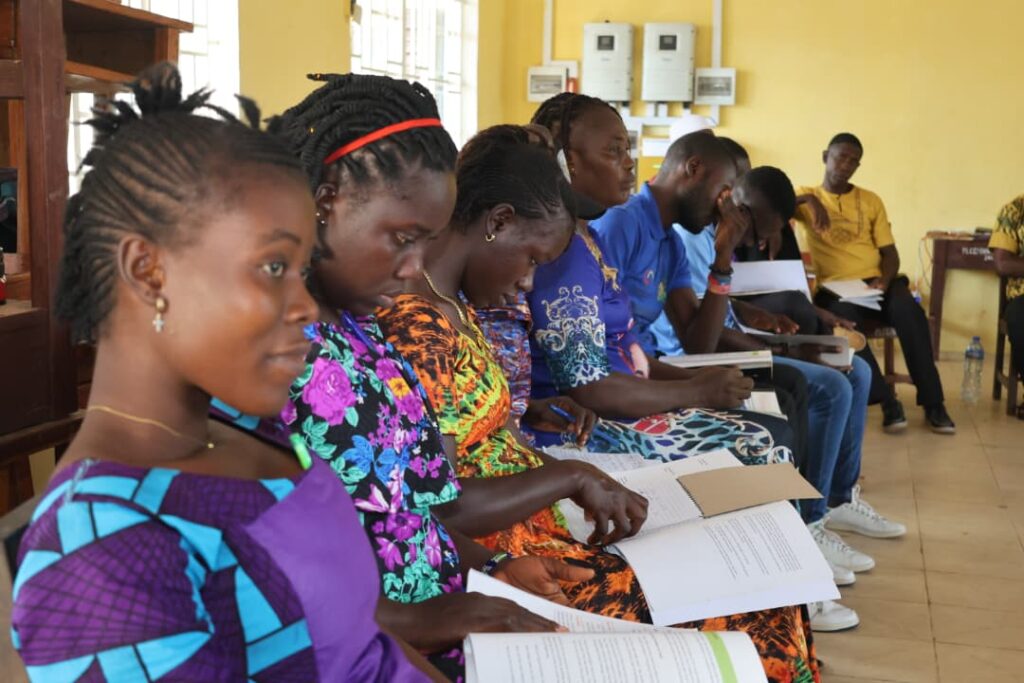
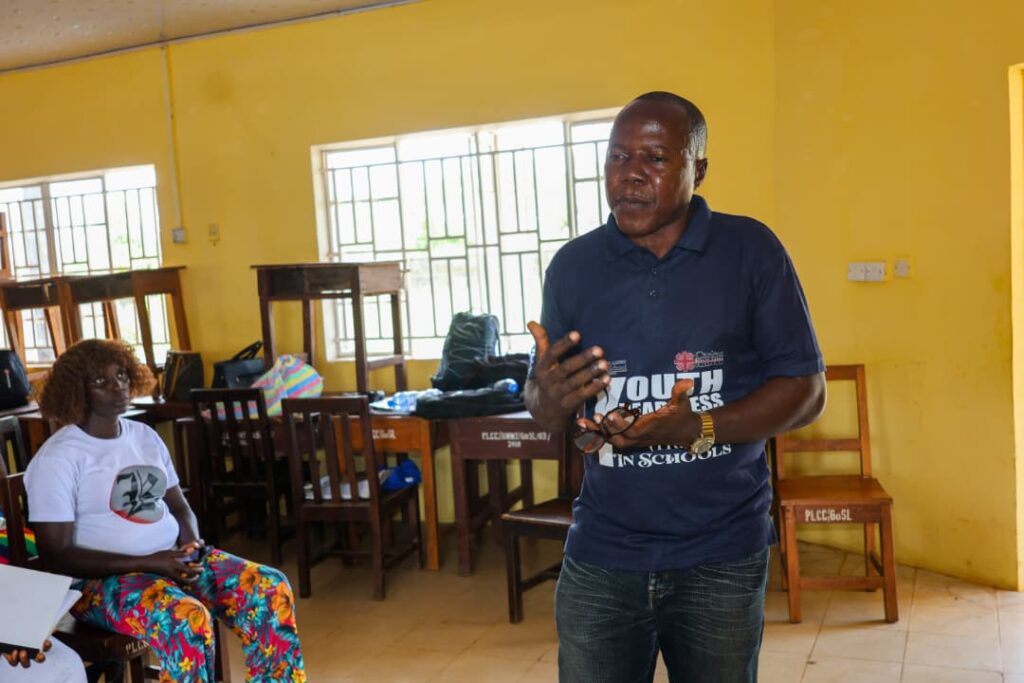
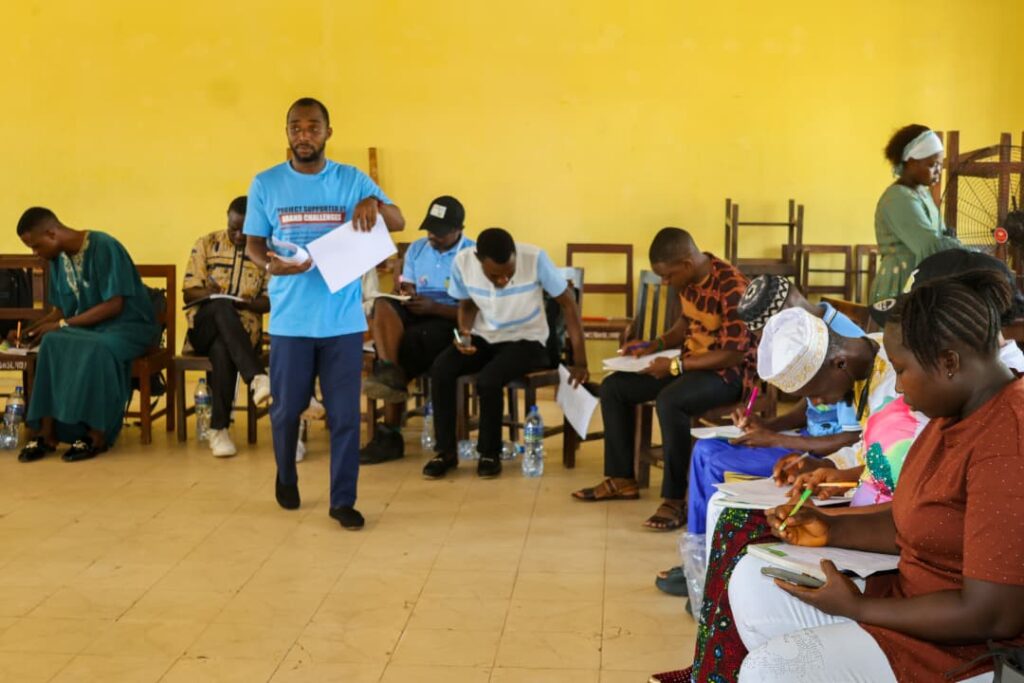
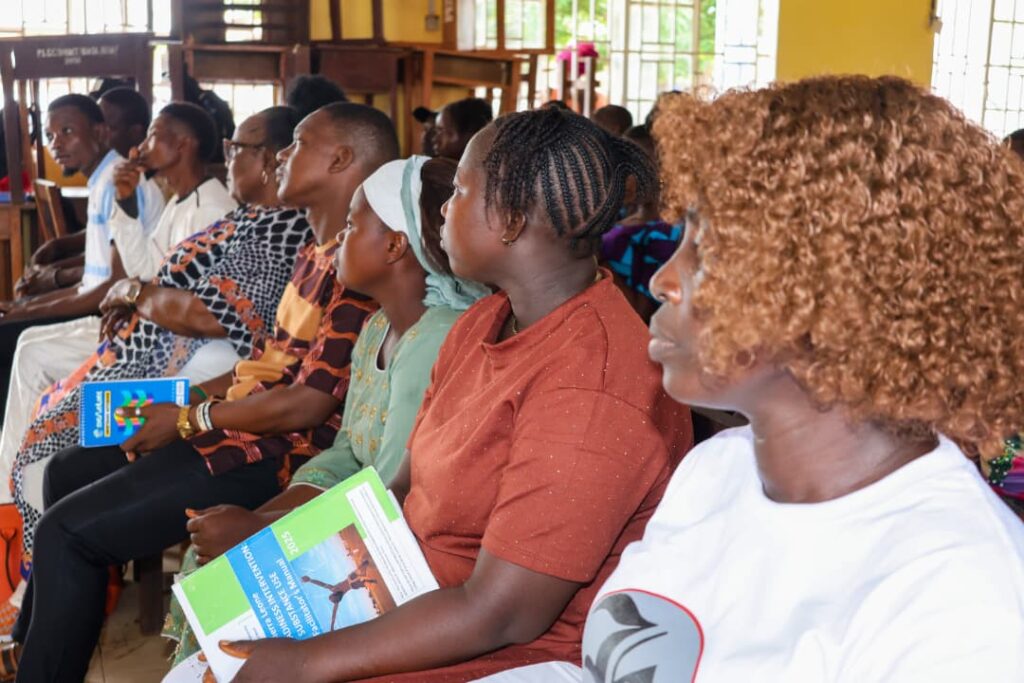
Throughout the training, participants took part in practical exercises, role plays, group discussions, and interactive learning sessions facilitated by experienced Youth Readiness Intervention trainers. These sessions focused on building participants’ confidence and competence to deliver the intervention while maintaining high standards of ethical practice, participant safety, and fidelity to the evidence-based model.
The programme was delivered in three progressive phases. The first phase focused on creating safe and supportive environments for young people, strengthening emotional awareness, and promoting self-regulation. The second phase enhanced participants’ skills in effective communication, problem-solving, healthy relationship building, and interpersonal effectiveness. The final phase addressed substance use prevention and introduced practical approaches for supporting young people experiencing substance-related challenges.
By the end of the training, participants demonstrated a strong understanding of the Youth Readiness Intervention model and expressed their commitment to applying their newly acquired skills to improve mental health outcomes for young people in their communities.
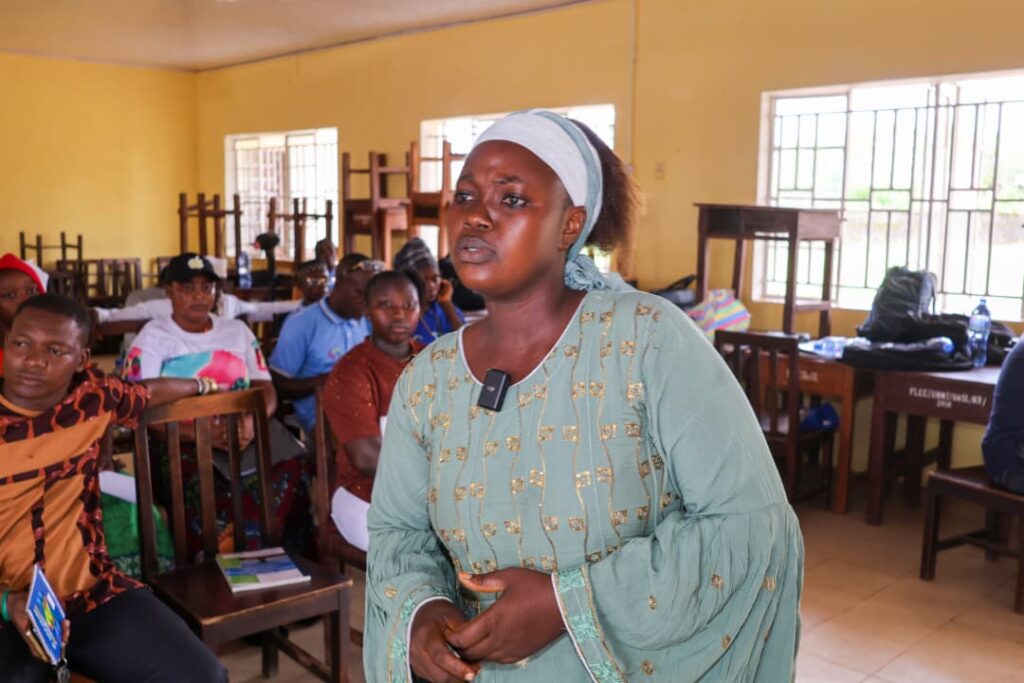
One participant described the training as both practical and transformative:
“This training has given us practical tools to better understand and support young people experiencing emotional and mental health challenges. We are now better prepared to guide them towards healthier coping strategies and improved wellbeing.”
The successful completion of the training marks an important milestone in expanding access to quality, community-based mental health services across the three districts. It also reinforces the value of collaboration between government institutions, Caritas Freetown, Boston College, and development partners in delivering sustainable, evidence-based mental health services for young people.
The Elevate Project’s Youth Readiness Intervention is implemented through a partnership between Boston College, Caritas Freetown, the Government of Sierra Leone, and other partners, with support from Being. Through the active participation of the Ministry of Health, the Ministry of Social Welfare, and the Ministry of Youth Affairs, the Government continues to provide strategic leadership, technical expertise, and community-level coordination, ensuring that the intervention is effectively integrated into existing systems and reaches young people who need it most.
Being is an international mental health initiative that envisions a world where young people feel well and thrive. Hosted by Grand Challenges Canada, Being works alongside young people to improve mental health and wellbeing through research, innovation, and ecosystem building. The initiative is funded in part by the Government of Canada, Fondation Botnar, and the United Kingdom’s Department of Health and Social Care through UK aid and the National Institute for Health and Care Research (NIHR). It is delivered in partnership with the Science for Africa Foundation, Orygen, and United for Global Mental Health across 12 priority countries, including Sierra Leone.